F.E.D. Commercial Catering Blog

How Vegetable Prep Machines Improve Speed in Commercial Kitchens?

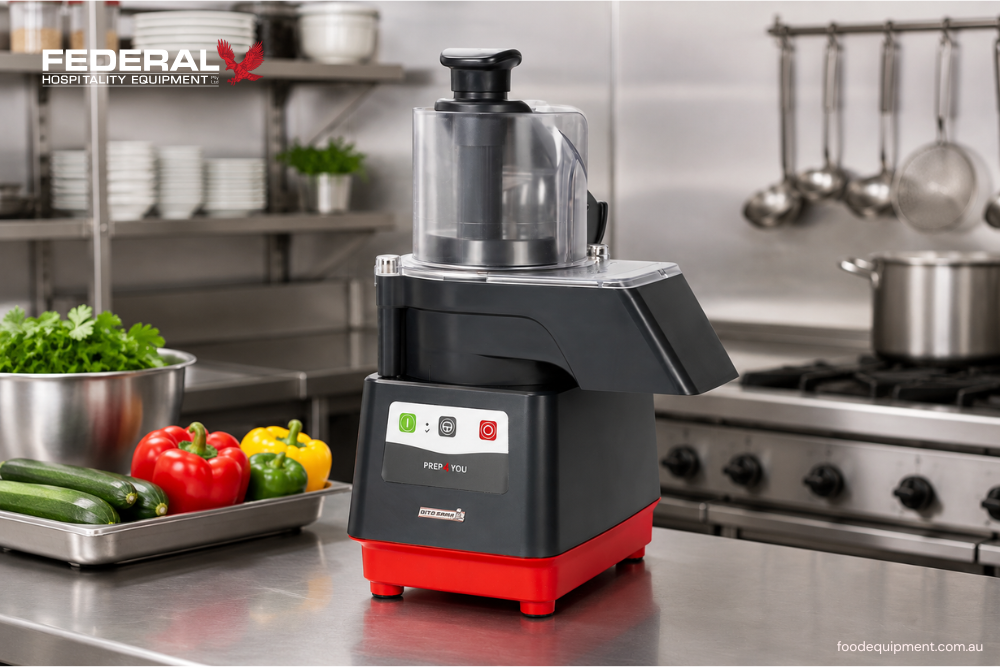
Commercial vegetable prep machine slicing fresh vegetables in a professional Australian hospitality kitchen.

Australia’s catering industry functions in a highly competitive setting where speed, consistency, and efficiency directly influence user satisfaction and revenue. Restaurants, cafés, catering businesses, pubs, hotels, hospitals, and delivery-only kitchens must prepare meals quickly without compromising food quality or hygiene standards. During busy hours, slow ingredient preparation creates operational delays that affect cooking stations, service times, and customer experience.

Vegetable preparation is one of the most time-consuming tasks in commercial kitchens. Slicing onions, dicing potatoes, grating carrots, and shredding cabbage are deceptively simple tasks, but repeating them at scale consumes valuable labour hours every day. This is why commercial vegetable prep machines have become essential equipment for Australian foodservice businesses.

Key Takeaways

Core Benefit Business Impact
70–90% faster preparation times Faster kitchen workflow during busy hours
Uniform cutting consistency Improved cooking accuracy and presentation
Reduced manual labour requirements Lower labour costs and better staff allocation
Improved food hygiene Reduced hand-to-food contact
Long-term operational efficiency Consistent return on investment

How Do Vegetable Prep Machines Improve Operational Efficiency?

Commercial food slicers and food processors improve operational efficiency by automating repetitive preparation tasks that would otherwise require extensive manual labour. Instead of relying on staff to cut vegetables by hand, employees can load ingredients into the machine and have them sliced, grated, julienned, shredded, or diced within seconds.

This automation allows kitchen staff to focus on cooking, plating, customer service, and food assembly instead of repetitive preparation work. Machines equipped with induction motors and high-capacity feeding systems are specifically designed for continuous commercial operation, making them suitable for large-scale food production environments.

Efficient preparation using vegetable prep machines for sale also improves kitchen coordination. When ingredients are processed quickly and consistently before service begins, chefs experience fewer interruptions during meal preparation. This creates a smoother kitchen workflow and reduces operational delays during busy lunch and dinner services.

Tip: Organising vegetables by blade attachment type before service begins reduces changeover time and improves preparation efficiency.

How Do Prep Machines Reduce Labour Costs?

Labour shortages continue to affect the Australian hospitality industry, especially in regional locations. Commercial preparation equipment reduces dependence on manual vegetable cutting, allowing businesses to allocate staff more efficiently across cooking, cleaning, and customer-facing tasks.

Instead of assigning multiple kitchen hands to repetitive preparation work, one employee can operate an automated processor while other team members focus on higher-value responsibilities. This directly improves operational profitability by reducing unnecessary labour hours. For businesses handling high meal volumes, including hotels, hospitals, aged care facilities, and catering companies, automated preparation systems support more efficient workforce management while maintaining production speed. For further information, visit the top vegetable prep machine suppliers and manufacturers near you.

How Do These Machines Improve Workplace Safety?

Continuous manual chopping and slicing places physical strain on kitchen staff, particularly during long shifts. Repetitive knife work contributes to fatigue, wrist strain, and workplace injuries. Mechanical cutting solutions reduce repetitive manual handling and create a safer working environment. Many commercial units include safety guards, enclosed blade systems, and non-slip feeding mechanisms that reduce the risk of accidents during operation.

Reducing physical strain also supports staff retention by creating a more manageable workplace environment for kitchen employees.

Tip: Proper staff training improves machine safety, preparation speed, and blade handling accuracy.

How Do Vegetable Prep Machines Improve Workflow During Busy Hours?

Commercial kitchens depend on consistent workflow management. When ingredient preparation slows, operational delays spread throughout cooking stations and food assembly areas. Prep automation ensures ingredients are ready before service begins, allowing chefs to maintain consistent production speed during high-demand periods. This is especially important for quick-service restaurants, cafés, food courts, and takeaway businesses where fast turnaround times are essential.

For example, a busy breakfast café in Melbourne or a restaurant in Sydney’s city centre may need to prepare hundreds of servings within a short timeframe. Fast ingredient preparation allows staff to respond quickly to sudden order surges without interrupting kitchen operations.

How Does Uniform Cutting Improve Cooking Efficiency?

When you buy vegetable preparation machines online, they use precision-engineered blades to create uniform vegetable sizes. Consistent cuts improve cooking accuracy because ingredients cook evenly and predictably.

Manual cutting often yields uneven pieces, leading to inconsistent cooking times and unnecessary food waste. Uniform slicing improves both presentation quality and kitchen efficiency.

Benefit of Uniform Cutting Kitchen Impact
Even cooking times Faster meal production
Consistent presentation Improved customer experience
Reduced food waste Lower ingredient costs
Standardised portion sizes Consistent menu quality

This consistency through the titular equipment and mixers is particularly valuable for franchise restaurants and multi-location hospitality businesses that require standardised menu presentation across all locations.

How Do Prep Machines Support Food Safety Compliance?

Commercial vegetable prep machines support food safety compliance by reducing direct hand-to-food contact during preparation. Less manual handling lowers contamination risks and improves hygiene management.

Most professional units, supplied by leading vegetable prep machine dealers and distributors, are manufactured using high-grade 304 stainless steel, which is corrosion-resistant, easy to sanitise, and suitable for commercial food environments. Many models also feature removable blades and dishwasher-safe components, making cleaning easier.

Australian kitchens must comply with the Australia New Zealand Food Standards Code and commonly follow HACCP, Hazard Analysis and Critical Control Points, guidelines to identify and control food safety risks. Easy-to-clean preparation equipment helps businesses maintain these hygiene standards efficiently.

Maintenance Checklist

Maintenance Task Recommended Frequency
Clean blades and feeding chute After every use
Sanitise food-contact surfaces Daily
Inspect blade sharpness Weekly
Check motor ventilation areas Weekly
Lubricate moving components Monthly
Inspect electrical connections Quarterly
Tip: Cleaning appliances immediately after use prevents food leftover accumulation and extends the lifespan of the motor and blades.

How Do You Choose the Right Blade for Different Vegetables?

Selecting the correct blade improves cutting quality, preparation speed, and ingredient consistency.

Vegetable Type Recommended Blade Type Common Result
Onions Slicing blade Uniform rings or strips
Carrots Grating blade Fine or coarse-grated texture
Potatoes Dicing grid Consistent cubes
Cabbage Shredding disc Thin salad strips
Cucumbers Adjustable slicer Even salad slices

Businesses should consider menu requirements, daily preparation volume, and portion consistency when selecting blade configurations for vegetable prep machines in Sydney and Melbourne.

Manual Preparation vs Automated Preparation

Factor Manual Preparation Automated Preparation
Preparation speed Slow Fast
Labour requirement High Lower
Portion consistency Variable Uniform
Physical strain High Reduced
Food safety control Moderate Improved
Scalability Limited Suitable for large-scale production

This comparison highlights why many Australian hospitality businesses are transitioning to automated preparation systems, including appliances such as processors and stick blenders.

Conclusion

Vegetable prep machines play a critical role in modern Australian commercial kitchens by improving speed, consistency, labour efficiency, and compliance with hygiene standards. Automated culinary processors reduce repetitive manual work, support workplace safety, and help businesses maintain efficient operations during busy service periods.

As customer expectations for fast service continue to increase, inefficient preparation processes can impact a business’s bottom line. Commercial food slicers, industrial vegetable cutters, and other mechanical cutting solutions help hospitality businesses maintain productivity, improve food quality, and support sustainable long-term growth.

FAQs: Vegetable Prep Machines in Commercial Kitchens

1. How do vegetable prep machines improve kitchen speed?

Vegetable prep machines automate repetitive slicing, dicing, grating, shredding, and julienning tasks, helping kitchens prepare ingredients much faster than manual cutting.

2. Are vegetable prep machines suitable for busy Australian kitchens?

Yes. They are especially useful for restaurants, cafés, catering businesses, hotels, hospitals, pubs, and delivery kitchens that need fast and consistent ingredient preparation.

3. Do vegetable prep machines reduce labour costs?

Yes. By reducing manual preparation time, one staff member can process larger volumes of vegetables while other team members focus on cooking, plating, cleaning, or customer service.

4. How do prep machines improve food consistency?

Precision blades create uniform cuts, which helps ingredients cook evenly, improves presentation, reduces waste, and supports consistent portion sizes.

5. Are commercial vegetable prep machines hygienic?

Most commercial units are designed with stainless steel construction, removable blades, and easy-clean components, helping reduce hand-to-food contact and support food safety compliance.

6. What maintenance do vegetable prep machines need?

Blades and feeding chutes should be cleaned after every use, food-contact surfaces sanitised daily, blade sharpness checked weekly, and motor ventilation inspected regularly.
Common Commercial Coffee Machine Problems and How to Fix Them

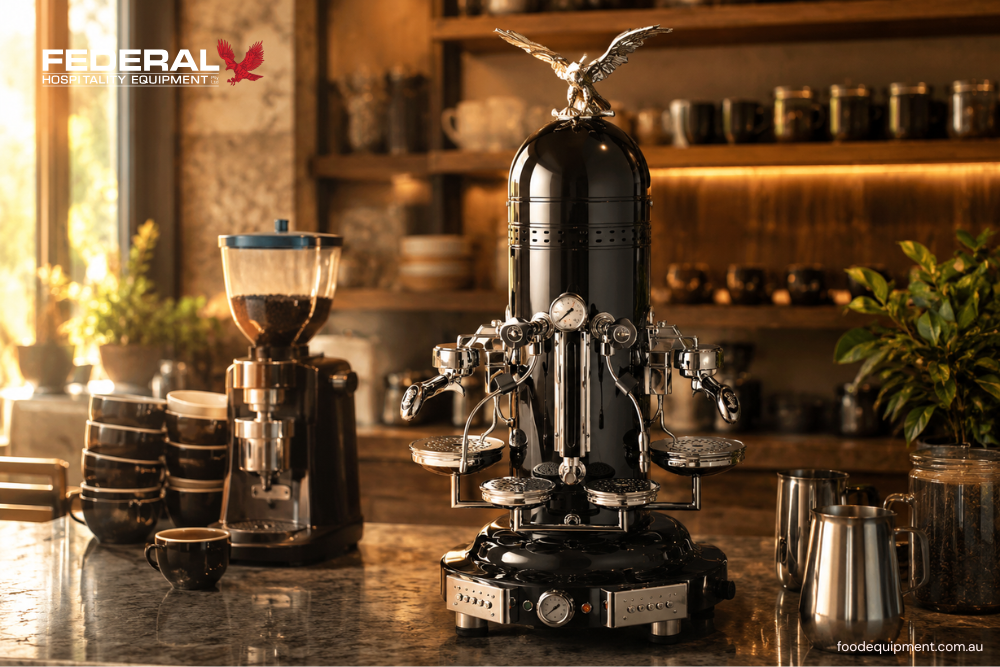
Premium commercial espresso coffee machine with professional coffee grinder in a modern Australian café interior.

Commercial coffee machines are an essential operational asset for cafés, restaurants, hotels, bakeries, and hospitality venues across Australia. Whether you operate a high-volume café in Melbourne, a speciality coffee bar in Sydney, or a regional takeaway venue in Queensland, reliable espresso equipment directly affects beverage consistency, service efficiency, and customer retention.

Operational disturbances as a result of espresso machine problems can lead to slower service, uneven brew quality, and needless repair costs. Most issues are preventable through preventative maintenance, regular cleaning, and early troubleshooting. Understanding how professional brewing systems operate allows hospitality businesses to reduce downtime, maintain beverage quality, and extend equipment lifespan.

Key Takeaways

Common Problem Primary Cause Recommended Solution
Uneven heating Scale accumulation or defective heating components Frequent descaling and boiler checks
Weak espresso extraction Incorrect grind size or blocked group head Clean components and recalibrate the grinder
Low steam pressure Blocked steam wand or low boiler pressure Clean steam tips and inspect pressure levels
Pro Tip: Installing a commercial water filtration system is one of the most effective ways to reduce mineral scale buildup in Australian cafés, particularly in hard-water regions of Western Australia and South Australia.

1. Why Is My Commercial Coffee Machine Not Heating Properly?

Quick Fix: Check boiler pressure levels immediately and descale the machine if mineral build-up is visible.

Commercial coffee machines for sale depend on static brewing temperatures to create balanced espresso. Low temperatures produce weak, under-extracted brew, while high temperatures lead to burnt or bitter flavours. Faulty thermostats, damaged heating elements, mineral scale accumulation, or unstable boiler pressure cause heating issues. Most professional brewing systems should maintain boiler pressure between 1.0 and 1.5 bars during operation.

The boiler pressure gauge should be inspected first. If pressure remains consistently below the recommended range, inspect the heating system and boiler components. The group head, the part of the machine where hot water meets the beans, should also be cleaned regularly because scale and coffee residue reduce heat transfer efficiency.

Immediate Actions

Use a commercial descaling solution to remove mineral deposits from the boiler and water lines. Replace water filters if they are overdue for maintenance. Inspect visible pressure gauges for unstable readings.

Long-Term Maintenance

Install a water filtration system designed for hospitality venues. Schedule professional boiler servicing every 6 to 12 months, especially in high-volume Australian cafés that operate continuously throughout the day.

2. Why Is My Espresso Tasting Weak or Watery?

Quick Fix: Adjust the grinder to a finer setting and clean the portafilter basket immediately.

Weak espresso extraction is one of the most common troubleshooting issues in commercial equipment sourced from the top commercial coffee machine suppliers and manufacturers. Extraction quality directly affects flavour, aroma, and crema, the golden foam layer on espresso.

Common causes include incorrect grind size, worn grinder burrs, blocked filters, inconsistent dosing, or dirty shower screens.

The portafilter, the handled basket that holds compressed brew grounds, and the group head should be cleaned multiple times daily using a specialised espresso machine cleaner and a group head brush.

If water flows too quickly through the compressed bean grounds, extraction becomes weak and watery. Most espresso machines operate best when extraction occurs within approximately 25 to 30 seconds.

Espresso Problem Possible Cause Recommended Fix
Watery espresso Coarse grind setting Adjust the grinder finer
Bitter espresso Over-extraction Reduce extraction time
No crema Old coffee beans Use fresher beans
Slow extraction Blocked basket Clean the portafilter basket
Uneven extraction Dirty shower screen Replace or clean the screen

Immediate Actions

Clean the shower screen, flush the group head, and recalibrate the grinder. Use fresh coffee beans and ensure consistent tamping pressure.

Long-Term Maintenance

Replace grinder burrs every 6 to 12 months in high-volume cafés. Schedule preventative maintenance inspections to monitor pump pressure and extraction consistency after you buy commercial coffee machines online.

3. Why Is the Steam Wand Producing Weak Pressure?

Quick Fix: Clean the steam tip immediately and check the boiler pressure.

Strong steam pressure is essential for milk-based drinks such as flat whites, cappuccinos, and lattes, which dominate Australian café menus.

Steam performance problems are commonly caused by dried milk residue blocking steam holes. Steam wands should be purged and wiped after every use to prevent hygiene-related blockages.

Commercial steam systems also lose performance when boiler pressure falls below recommended operating levels. Most machines require stable steam pressure to texture milk correctly.

Immediate Actions

Remove and soak the steam tip using a commercial milk residue cleaner. Purge the steam wand thoroughly before and after every use. Inspect boiler pressure gauges for readings below operational recommendations. Low pressure typically indicates scale accumulation or valve-related issues. For further information, visit the leading commercial coffee machine dealers and distributors in your area.

Long-Term Maintenance

Descalcify boilers regularly to prevent internal mineral build-up. Install water filtration systems in areas with hard water, particularly in parts of Western and South Australia.

4. Why Is Water Leaking from My Espresso Machine?

Quick Fix: Inspect hoses, fittings, and group gaskets for visible wear or loose connections.

Leaks are among the most common issues with these commercial machines. Even minor leaks can damage cabinetry, electrical systems, and flooring in hospitality environments. Water leaks are caused by worn seals, cracked hoses, damaged fittings, blocked drainage systems, or deteriorated group gaskets.

If water escapes around the portafilter during extraction, the group gasket should be replaced immediately. High-volume cafés often replace group gaskets every 6 to 12 months.

Immediate Actions

Inspect external hoses and tighten loose fittings. Clean drainage trays and remove blockages from waste outlets.

Long-Term Maintenance

Schedule regular gasket inspections and replace worn seals before failure occurs. Preventative upkeep of commercial coffee machines in Perth and Melbourne substantially reduces the risk of inner water damage.

5. Why Is My Coffee Grinder Affecting Espresso Quality?

Quick Fix: Clean the grinder chamber daily and inspect burr sharpness.

Commercial grinders directly affect extraction consistency. Many coffee quality problems originate from grinder performance rather than the espresso machine itself.

Dull burrs produce uneven coffee particles, leading to inconsistent extraction. Excessive heat inside the grinder also affects flavour quality.

Grinder Issue Effect on Coffee
Dull burrs Uneven extraction
Dirty grinder chamber Bitter flavour
Incorrect grind setting Weak or slow espresso
Overheating grinder Burnt taste
Inconsistent dosing Variable coffee quality

Immediate Actions

Remove retained coffee grounds from the grinder chamber and recalibrate grind settings throughout the day if humidity changes.

Long-Term Maintenance

Replace grinder burrs of commercial coffee machines regularly and service dosing systems to maintain consistency. High-volume cafés using grinders from top manufacturers should closely monitor burr wear.

Daily Maintenance Checklist for Commercial Coffee Equipment

Daily Task Purpose
Clean group heads Maintain extraction consistency
Backflush espresso machine Remove coffee oil residue
Purge steam wands Prevent milk blockage
Empty drip trays Prevent overflow
Clean the grinder chamber Maintain flavour quality
Check boiler pressure Ensure stable operation
Replace water filters if required Reduce scale accumulation
Tip: Daily cleaning is the simplest way to protect espresso quality, reduce breakdowns, and keep commercial coffee equipment performing reliably.

Conclusion

Commercial coffee machines require consistent preventative maintenance to deliver reliable performance in Australian hospitality venues. Heating instability, weak extraction, steam pressure problems, grinder inconsistencies, and water leaks are among the most common operational issues affecting professional brewing systems.

Most troubleshooting problems can be resolved through scheduled cleaning, water filtration, descaling, and routine servicing. Businesses that proactively maintain their industrial espresso equipment reduce downtime, improve beverage consistency, and protect their long-term investment in equipment.

FAQs: Commercial Coffee Machine Problems

1. Why is my commercial coffee machine not heating properly?

Heating issues are often caused by scale build-up, faulty thermostats, damaged heating elements, or unstable boiler pressure. Checking boiler pressure and descaling the machine can help resolve the issue.

2. Why does my espresso taste weak or watery?

Weak espresso usually comes from coarse grind settings, blocked group heads, dirty shower screens, inconsistent dosing, or old coffee beans. Cleaning the group head and adjusting the grinder can improve extraction.

3. Why is my steam wand pressure low?

Low steam pressure is commonly caused by blocked steam tips, dried milk residue, scale build-up, or low boiler pressure. Clean the steam tip and check pressure levels immediately.

4. Why is my espresso machine leaking water?

Leaks may be caused by worn seals, cracked hoses, loose fittings, blocked drainage systems, or damaged group gaskets. Inspect visible parts and replace worn gaskets promptly.

5. Can a coffee grinder affect espresso quality?

Yes. Dull burrs, dirty grinder chambers, incorrect grind settings, overheating, and inconsistent dosing can all affect espresso flavour, crema, and extraction consistency.

6. How often should commercial coffee machines be serviced?

High-volume commercial coffee machines should usually be professionally serviced every 6 to 12 months, with daily cleaning and regular water filter replacement to reduce scale and breakdown risks.

The Complete Guide to Choosing the Right Salamander Bench for Your Business

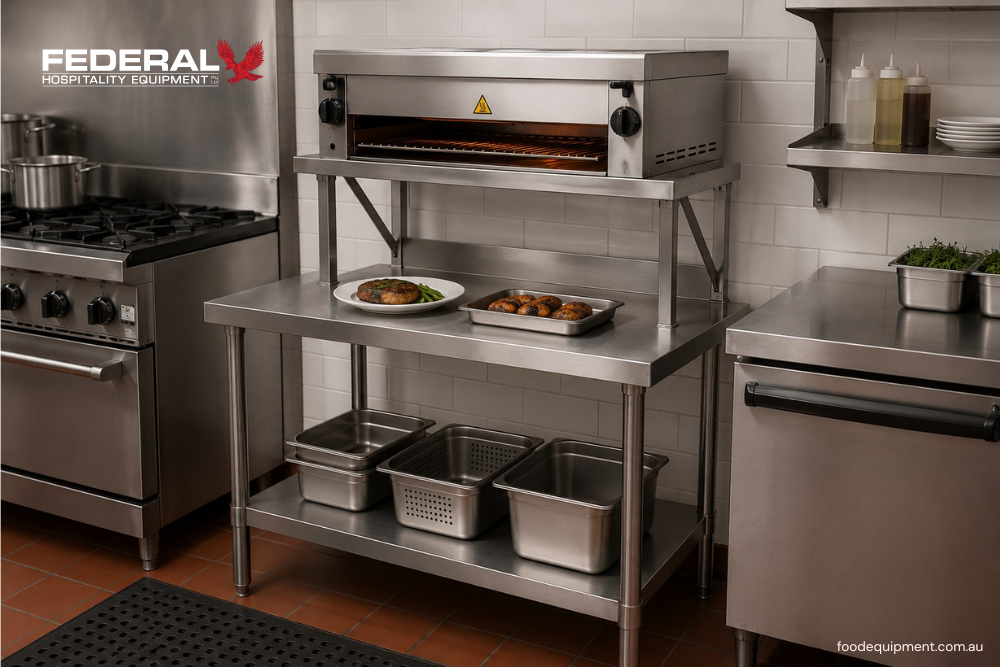
Commercial stainless steel salamander bench with overhead grill shelf and undershelf storage positioned inside a professional hospitality kitchen in Australia.

In Australia’s high-volume hospitality environments, kitchen efficiency depends on more than just cooking appliances. Preparation stations, storage systems, and workflow layout directly influence service speed, hygiene compliance, and labour efficiency. Support infrastructure plays a critical role in maintaining consistent kitchen operations. A salamander bench, also known as a stainless steel grill stand or broiler workstation, provides a stable, heat-resistant platform for salamander grills in commercial cooking environments.

Choosing the right overhead heat equipment support improves preparation efficiency, reduces service delays, supports food safety compliance, and maximises usable kitchen space. Effective kitchen planning requires careful evaluation of material grade, load capacity, ventilation clearance, storage configuration, and workflow positioning.

Key Takeaways

  • Select food-grade 304-grade stainless steel for durability, hygiene compliance, and corrosion resistance.
  • Match bench size to your kitchen layout to maintain at least 900mm of staff walkway clearance.
  • Check whether the workstation supports a total functional weight above 150kg in high-capacity pantries.
  • Position the unit between cooking and plating zones to reduce unnecessary staff movement.
  • Choose welded construction for industrial-grade strength and long-term durability.

Salamander Bench Fundamentals

A salamander bench is a commercial kitchen workstation specifically designed to support a salamander grill, which is an overhead high-heat broiler used for browning, melting, caramelising, or reheating food rapidly.

Unlike standard kitchen benches, equipment like stainless steel support stations and dishwasher benches are engineered for:

  • Continuous high-temperature exposure
  • Heavy equipment weight
  • Frequent cleaning and sanitisation
  • Grease and moisture resistance
  • High-volume commercial service

These units are widely used in restaurants, cafés, hotels, pubs, catering facilities, bakeries, mining camps, and institutional kitchens throughout Australia.

Why Does Choosing the Right Bench Matter?

The wrong salamander bench for sale creates serious operational problems in commercial kitchens.

A poor-quality unit will:

  • Cause structural failure under heavy loads
  • Increase corrosion and maintenance costs
  • Restrict staff movement
  • Reduce preparation efficiency
  • Create workflow delays during peak service
  • Increase grease accumulation near cooking equipment
  • Reduce long-term operational reliability

The right stainless steel prep station improves hygiene standards, accelerates service preparation, and supports safer kitchen operations.

How Do You Measure Your Kitchen for a Salamander Bench?

Incorrect measurements create installation problems, workflow restrictions, and ventilation risks. Before purchasing a stainless steel grill stand, measure your available space carefully.

Step-by-Step Kitchen Measurement Guide

Step 1: Measure available wall space

Measure the full installation width, including surrounding appliances such as:

  • Fryers
  • Combi ovens (multi-function steam and convection ovens)
  • Chargrills
  • Refrigerated preparation counters
  • Service window preparation areas

Step 2: Measure walkway clearance

Maintain at least:

  • 900mm for staff walkways
  • 150mm cleaning clearance
  • 50mm to 100mm rear ventilation spacing

Insufficient clearance reduces staff efficiency and increases heat buildup.

Tip: Measure both the equipment footprint and the staff movement area before choosing a salamander bench, especially in compact commercial kitchens.

Step 3: Check standard bench dimensions

Most Australian commercial kitchen workstations use:

  • 600mm to 700mm depth
  • 900mm working height

These dimensions align with standard hospitality kitchen layouts.

Step 4: Confirm load capacity

A salamander bench in Perth and Melbourne, combined with cookware, trays, and active plating activity, routinely exceeds 150kg in high-volume environments.

Weak flat-pack units will fail under continuous heavy use.

Recommended Salamander Bench Sizes by Business Type

Business Type Recommended Size Ideal Configuration
Small Café 900mm to 1200mm Undershelf storage
Restaurant 1200mm to 1800mm Splashback and cupboards
Fast Food Outlet 1200mm to 1500mm Easy-clean surfaces
Hotel Kitchen 1800mm+ Industrial-grade welded frame
Catering Business Mobile units Lockable industrial wheels

What Stainless Steel Grade Should You Choose?

Material quality directly affects hygiene compliance, corrosion resistance, and equipment lifespan.

What does food-grade stainless steel mean?

Food-grade stainless steel indicates non-porous steel surfaces created for safe meal preparation and hygiene. These surfaces of your work tables or mobile benches control bacterial accumulation and endure repeated exposure to detergents, grease, moisture, and heat.

Australian hospitality venues commonly follow hygiene requirements outlined under:

  • Food Standards Australia New Zealand (FSANZ) Standard 3.2.3
  • State-based food premises regulations
  • Local council requirements from authorities such as Brisbane City Council or the City of Sydney

304 vs 316 Stainless Steel Grades

The numbers "304" and "316" refer to SAE (Society of Automotive Engineers) stainless steel classification grades.

Steel Grade Features Best Use
430 Grade Lower-cost corrosion resistance Light-duty kitchens
304 Grade Premium food-grade durability Restaurants and cafés
316 Grade Superior salt and moisture resistance Coastal venues

What Separates 304 and 316 Stainless Steel?

304-grade stainless steel for the titular product, sourced from the best salamander bench suppliers and manufacturers, is the preferred choice for most Australian commercial kitchens because it combines hygiene performance, corrosion resistance, and durability.

316-grade stainless steel has additional molybdenum, which boosts resistance to salt corrosion in coastal climates.

Tip: For most Australian hospitality kitchens, 304-grade stainless steel offers a strong balance of hygiene, durability, and value.

Welded vs Flat-Pack Construction

Construction quality directly affects structural strength and operational lifespan.

What is industrial-grade construction?

Industrial-grade construction typically uses 1.2mm to 1.5mm stainless steel thickness combined with reinforced welded joints.

Pros and Cons of Welded vs Flat-Pack Units

Construction Type Advantages Limitations
Welded Construction Higher strength, improved stability, longer lifespan Higher upfront cost
Flat-Pack Construction Lower purchase price, easier transport Reduced durability under heavy loads

Welded stainless steel grill stands provide superior structural integrity in high-volume kitchens where constant movement, heat exposure, and heavy equipment place ongoing stress on the frame.

Which Features Improve Efficiency and Storage?

The best commercial grill stands combine workflow efficiency with practical storage functionality.

High-value features include:

  • Adjustable undershelves
  • Enclosed storage cupboards
  • Reinforced shelving
  • Heat-resistant drawers
  • Stainless steel splashbacks
  • Adjustable feet
  • Rounded easy-clean corners
  • Lockable industrial wheels
  • Modular storage systems

Splashbacks reduce wall damage caused by grease and heat exposure, while adjustable shelving improves storage flexibility as menu requirements change. When you buy Salamander benches online, you get both.

Fixed vs Mobile Salamander Benches

Businesses should select a workstation style that matches their operational layout.

Feature Fixed Unit Mobile Unit
Stability Excellent Moderate
Flexibility Limited Excellent
Cleaning Access Moderate Excellent
Best for Permanent Kitchens Yes Yes
Best for Catering Operations No Yes
Mobility No Yes

Mobile broiler workstations are commonly used in catering environments and event kitchens where layout flexibility is essential. Fixed units remain the preferred choice in permanent hotel and restaurant installations where maximum stability is required.

Tip: Choose a fixed salamander bench for maximum stability in permanent kitchens, and a mobile unit where layout flexibility is important.

How Do You Maintain Your Bench for Long-Term Performance?

Routine maintenance protects stainless steel surfaces of splashback benches and extends equipment lifespan.

Daily Maintenance Checklist

Maintenance Task Purpose
Wipe surfaces after service. Prevent grease buildup
Sanitise food-contact areas Maintain hygiene compliance
Inspect welded joints Detect structural wear
Clean undershelves and cupboards Remove debris accumulation
Dry surfaces after cleaning Reduce corrosion risk
Check wheel locks on mobile units. Maintain operational safety

Consistent cleaning prevents premature surface deterioration and supports long-term compliance with food safety requirements. You can gain further insights by contacting the leading salamander bench dealers and distributors in Australia.

Common Mistakes When Buying a Salamander Bench

Mistake Operational Impact
Choosing low-cost flat-pack units Reduced structural lifespan
Ignoring ventilation spacing Excessive heat accumulation
Underestimating total equipment weight Structural failure
Selecting low-grade steel Corrosion and rust damage
Poor storage planning Increased kitchen clutter
Incorrect sizing Workflow restrictions

Prioritise durability, hygiene compliance, and operational compatibility over short-term purchase savings.

Conclusion

Choosing the right salamander bench requires more than selecting a stainless steel workstation that fits available space. Your kitchen requires a durable support system that can withstand continuous exposure to heat, heavy operational loads, and demanding service conditions. A properly selected broiler workstation improves workflow efficiency, supports Australian food safety compliance, reduces service delays, and delivers long-term operational reliability.

By carefully evaluating steel grade, construction quality, ventilation spacing, storage configuration, and kitchen layout, you can invest in a commercial kitchen support station that delivers consistent performance for years in demanding Australian hospitality environments.

FAQs: Choosing the Right Salamander Bench

1. What is a salamander bench used for?

A salamander bench is used to support a salamander grill or overhead broiler in commercial kitchens. It provides a stable, heat-resistant workstation for browning, melting, reheating, and finishing dishes.

2. What size salamander bench should I choose?

The right size depends on your kitchen layout and business type. Small cafés may suit 900mm to 1200mm benches, while restaurants and hotel kitchens often require larger welded units.

3. Which stainless steel grade is best for salamander benches?

304-grade stainless steel is suitable for most Australian commercial kitchens because it offers durability, corrosion resistance, and strong hygiene performance. Coastal venues may consider 316-grade stainless steel.

4. Is a welded salamander bench better than flat-pack?

Welded construction is generally stronger and longer-lasting, making it better for high-volume commercial kitchens. Flat-pack units may suit lower-use environments or businesses with transport limitations.

5. Why is ventilation spacing important?

Ventilation spacing helps reduce heat buildup around the salamander grill and bench. Poor spacing can affect staff comfort, equipment performance, and long-term safety.

6. Should I choose a fixed or mobile salamander bench?

Choose a fixed bench for permanent kitchens where stability is most important. Choose a mobile bench for catering operations, event kitchens, or layouts that change regularly.

Why Australian Cafés Are Switching to Induction Cooking Equipment?

Commercial induction cooking equipment in an Australian café kitchen featuring energy-efficient induction cooktops for fast, safe, and modern hospitality food preparation.

Australia’s café culture is vibrant, and owners are always looking for smarter ways to improve efficiency, reduce operating costs, and deliver consistent food quality. One major shift across the hospitality industry is the growing adoption of induction cooking equipment.

Commercial induction cooking equipment is no longer a niche upgrade reserved for luxury venues. It’s now a practical, energy-efficient option for cafés seeking faster service, lower heat output, and improved kitchen safety—especially as energy costs rise, sustainability expectations increase, and kitchen designs become more compact.

Tip: Cafés operating long breakfast and lunch hours can benefit from faster heat-up times, reduced wasted heat, and better kitchen comfort when switching to commercial induction cooking equipment.

What Is Induction Cooking Equipment?

This mode of cooking uses electromagnetic technology to heat cookware directly rather than heating a burner or open flame. With induction-compatible pots and pans, energy transfers into the cookware for rapid, precise heating.

Cooking Method Heat Source Energy Efficiency Heat Loss Temperature Control
Gas Cooking Open flame Lower High Moderate
Electric Cooking Heated element Moderate Medium Slower response
Induction Cooking Electromagnetic energy Very high Minimal Instant response

Commercial plug-in cooktops are now available in countertop, drop-in, and floor-standing configurations suitable for cafés, restaurants, catering businesses, and hospitality venues across Australia.

Energy Efficiency Is Driving Adoption

One of the biggest reasons Australian cafés are moving toward equipment like electric cooking equipment and contact grills is energy efficiency. With electricity and gas prices putting pressure on hospitality businesses, cutting wasted heat matters—especially for venues operating long service hours.

Commercial induction plates for sale can transfer up to 90% of energy to cookware, while gas cooktops lose substantial heat to the surrounding air. Over time, that difference can reduce consumption and operating costs.

Tip: For Australian cafés with high-volume breakfast and lunch services, energy-efficient induction cooktops can help reduce wasted heat while supporting quicker kitchen turnaround.

Equipment Type Approximate Energy Efficiency
Gas Cooktops 35%–50%
Traditional Electric Cooktops Around 74%
Commercial Induction Cooktops Up to 90%

For cafés running breakfast and lunch services seven days a week, the savings can add up over a year. Swifter heat-up periods also reduce slow operations during the morning rush.

Many café owners now view electromagnetic cooking as an investment because utility savings and efficiency gains can offset higher upfront costs.

Australian Cafés Need Faster Service

Speed matters in the café industry. Morning coffee and breakfast rushes demand quick turnaround times, especially in high-footfall business districts and busy suburban café strips.

Such equipment heats cookware almost instantly: water boils faster, pans reach temperature quickly, and chefs can adjust heat immediately without waiting for burners to cool down or warm up.

Faster heat-up times and instant temperature response help busy café kitchens improve workflow during morning coffee and brunch rushes.

This responsiveness improves kitchen workflow and helps cafés serve customers faster during peak periods. For example, brunch cafés often rely on rapid preparation of eggs, sautéed vegetables, toasted sandwiches, and breakfast proteins. This mode supports this pace with consistent, precise heat. In competitive environments, even small time savings can improve customer turnover and revenue potential. For further information, visit the top induction cooktop suppliers and manufacturers.

Cooler Kitchens Improve Staff Comfort

Australia’s climate also plays an important role in the rise of plug-in cooking equipment. Commercial kitchens can become extremely hot during summer, particularly in warmer regions.

Traditional gas burners generate significant ambient heat, making kitchens uncomfortable. These surfaces stay cooler because heat is generated in the cookware rather than in the air around it, improving comfort and reducing strain on cooling and ventilation.

Cooler commercial kitchens can improve staff comfort, reduce fatigue, and support better productivity during high-volume service periods.

Benefit Impact on Cafés
Reduced ambient heat Improved staff comfort
Less strain on ventilation systems Lower cooling costs
Better working conditions Improved productivity
Reduced kitchen fatigue Better staff retention

Australian cafés are increasingly prioritising employee wellbeing, particularly during labour shortages affecting the hospitality industry. Cooler kitchens help create safer and more comfortable workplaces for chefs and kitchen assistants.

Such Cooking Supports Sustainability Goals

Sustainability is becoming a major focus for Australian hospitality businesses. Customers increasingly prefer cafés that demonstrate environmentally responsible practices, including energy-efficient operations and reduced carbon emissions.

Induction wok cooking aligns with these goals because it minimises wasted heat and can reduce overall energy consumption—especially when paired with efficient refrigeration, lighting, and ventilation in modern fit-outs.

Energy-efficient hospitality equipment is becoming increasingly important for Australian cafés focused on reducing utility costs and creating future-ready commercial kitchens.

Many businesses are also preparing for energy transitions as governments and councils encourage electrification and reduced reliance on gas infrastructure, making the mode a future-ready option for new venues.

Improved Kitchen Safety Matters

Safety is another key reason cafés are switching to benchtop equipment, such as induction systems. Without open flames, burning or fire hazards and gas leaks are lower, and many industrial units include automatic shut-off, overheating safeguards, and pan-detection attributes.

These safety advantages are particularly valuable in compact café kitchens where multiple staff members work in proximity during busy service hours.

Safety Feature Benefit
No open flame Reduced fire risk
Automatic shut-off Improved operational safety
Pan detection Prevents unnecessary energy use
Cooler surfaces Lower burn risk

For café owners managing workplace health and safety requirements, when you buy induction cooktops online, it can help reduce hazards while maintaining high kitchen performance.

This Equipment Works Well in Open Kitchen Designs

Open kitchens are increasingly popular in Australian cafés because customers like seeing food prepared in real time. These layouts benefit from cleaner, quieter, and more visually appealing equipment.

Induction is ideal for open kitchens because it generates less heat and no visible flames. On the other hand, the sleek surfaces are easy to maintain and present well to consumers. This feature helps boutique cafés and premium brunch venues create a more polished, modern experience.

Tip: Open kitchen cafés often prefer induction cooking equipment because it creates a cleaner, quieter, and more visually appealing cooking environment for customers.

Challenges of Switching to Induction Cooking

Although this cooking offers many advantages, the transition comes with practical considerations. Some establishments need electrical renovations to support commercial electromagnetic units, and induction-compatible cooking equipment is needed—meaning older aluminium or unsuitable pans may need to be substituted.

Upfront equipment costs can be higher than gas costs, but many operators find that energy savings, lower maintenance, and faster service speed can justify the investment.

Tip: Before upgrading to induction cooking, ensure your cookware is induction-compatible and check whether electrical infrastructure upgrades may be required.

Challenge Potential Solution
Higher initial investment Long-term energy savings
Need for compatible cookware. Gradual cookware replacement
Electrical upgrades Future-proof kitchen infrastructure
Staff training Simple induction training programs

Despite these considerations, the adoption of this mode continues to grow across Australia’s hospitality industry. You can gain further insights by reaching out to the best induction cooktop dealers and distributors.

Why Induction Cooking Is the Future of Australian Cafés?

The Australian café industry is evolving rapidly, and operators are looking for equipment that improves efficiency, supports sustainability, and creates safer, more comfortable kitchens.

Products like Induction cooking equipment, pie warmers and many others meet these needs by delivering fast, controllable heat with less wasted energy and a cooler working environment.

Suppliers across Australia are also expanding commercial electromagnetic ranges, making the technology accessible to cafés of all sizes. As energy prices rise and cafés prioritise sustainability and operational efficiency, induction is likely to become a standard feature in Australian café kitchens.

Many hospitality businesses across Sydney, Melbourne, Brisbane, Perth, and Adelaide are now investing in energy-efficient induction cooktops to support sustainability goals and reduce long-term operating costs.

Conclusion

Australian cafés are switching to induction cooking equipment because it delivers measurable benefits: faster cooking, improved energy efficiency, cooler kitchens, and safer operations.

From small suburban coffee shops to high-volume city venues, induction cooking is helping businesses lower running costs and modernise their kitchens. While the switch can require upfront spend and operational changes, the long-term gains are increasingly hard to ignore.

FAQs

1. Why are Australian cafés switching to induction cooking equipment?

Australian cafés are switching to induction cooking equipment because it offers faster heat-up times, better energy efficiency, cooler kitchens, improved safety, and more precise temperature control during busy service periods.

2. Is induction cooking equipment suitable for commercial cafés?

Yes, commercial induction cooking equipment is suitable for cafés, restaurants, catering businesses, and hospitality venues across Australia. It is available in countertop, drop-in, and floor-standing configurations to suit different kitchen layouts.

3. Does induction cooking save energy compared to gas?

Yes, commercial induction cooktops can transfer up to 90% of energy to cookware, while gas cooktops lose more heat to the surrounding air. This can help reduce energy waste and support lower running costs over time.

4. What cookware is needed for induction cooking?

Induction cooking requires induction-compatible cookware. Some older aluminium or unsuitable pans may need to be replaced, but many cafés manage this gradually as part of their kitchen upgrade process.

5. Is induction safer than gas cooking in café kitchens?

Induction can improve kitchen safety because it does not use an open flame and many commercial units include automatic shut-off, overheating protection, and pan-detection features. Cooler surfaces may also help reduce burn risks.

6. Can induction cooking equipment help keep café kitchens cooler?

Yes, induction cooking generates heat directly in the cookware rather than heating the air around the appliance. This can reduce ambient heat, improve staff comfort, and lessen the load on ventilation and cooling systems.

7. What are the main challenges of switching to induction?

The main challenges include higher upfront equipment costs, the need for compatible cookware, possible electrical upgrades, and staff training. However, many cafés find the long-term gains in efficiency, safety, and running costs worthwhile.

8. Is induction cooking a good option for open kitchen cafés?

Yes, induction cooking equipment works well in open kitchen designs because it produces less heat, has no visible flame, is quieter, and offers a sleek appearance that suits modern café interiors.

Common Mistakes When Using Commercial Refrigeration (and How to Avoid Them)

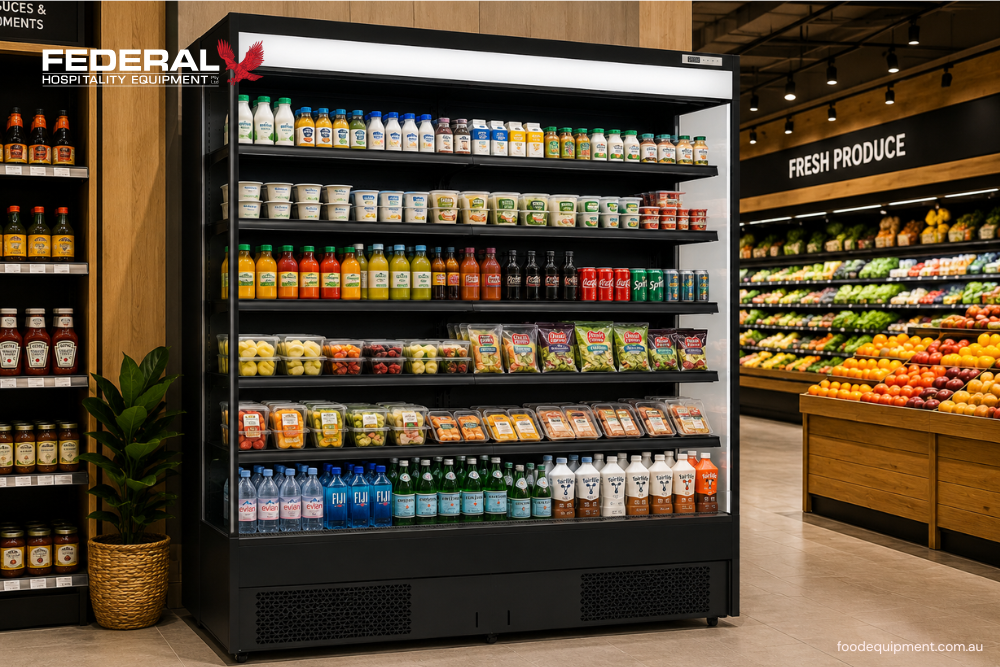
Open commercial refrigeration display fridge stocked with drinks, dairy products, salads, and fresh food inside a modern supermarket environment.

Common Mistakes When Using Commercial Refrigeration (and How to Avoid Them)

Commercial refrigeration is the backbone of any hospitality establishment. From restaurants and cafés to supermarkets and catering operations, refrigeration ensures food safety, preserves quality, and supports efficient workflows. Yet despite its importance, refrigeration is often taken for granted. Many businesses invest in high-quality equipment but fail to use it correctly, leading to avoidable problems such as food spoilage, higher energy costs, and equipment breakdowns.

This guide explores the most common mistakes in commercial refrigeration, explains their impact, and integrates practical, clearly highlighted tips throughout to make the insights more actionable and real-world-ready.

Overloading the Refrigerator

One of the most frequent mistakes is overloading the fridge. When too many items are packed into a unit, airflow is restricted. Commercial refrigerators rely on consistent air circulation to maintain even temperatures.

When airflow is blocked, some areas become warmer than others. This creates hot spots where food may not be stored safely. Overloading also forces the compressor to work harder, increasing energy consumption and wear.

Impact of Overloading

Issue Cause Result
Uneven cooling Blocked airflow Food spoilage
Increased energy use Overworked compressor Higher costs
Temperature fluctuations Poor circulation Food safety risk
Tip: Always leave small gaps between containers and avoid stacking items against vents. Even minimal spacing improves airflow significantly.

Incorrect Temperature Settings

Another common issue is setting the wrong temperature. Some operators lower temperatures excessively, assuming it will preserve food better, while others increase temperatures to save energy.

Both approaches create problems. Extremely low temperatures in commercial refrigeration equipment in Melbourne can damage certain foods, while higher temperatures increase the danger of bacterial multiplication. Maintaining a consistent temperature below 5°C is essential for safe storage.

Poor Organisation and Storage Practices

Disorganised storage leads to inefficiency and increased risk of contamination. When items are placed randomly, staff spend more time searching, often leaving doors open longer than necessary.

Improper organisation can also result in cross-contamination. For instance, storing raw meat above ready-to-eat items increases the risk of foodborne illness.

Recommended Storage Hierarchy

Shelf Level Food Type Reason
Top shelves Ready-to-eat foods Lowest contamination risk
Middle shelves Dairy and cooked foods Stable temperature zone
Bottom shelves Raw meat and seafood Prevent dripping contamination
Tip: Label shelves of display fridges clearly and standardise storage layouts. This keeps all staff aligned, especially during busy shifts or staff changes.

Frequent Door Opening and Poor Door Management

In busy kitchens, frequent door opening is unavoidable. However, leaving doors open longer than necessary allows warm air to enter, forcing the product, sourced from the top commercial refrigeration equipment suppliers and manufacturers, to work harder.

This not only affects internal temperature but also increases energy consumption. Over time, it can strain the compressor.

Tip: Train staff to plan before opening the fridge. Taking out multiple items at once reduces the number of door openings.

Neglecting Regular Cleaning

Cleaning is often overlooked during busy service periods, but it plays a critical role in both hygiene and performance. Food residue, spills, and grease can accumulate quickly, affecting airflow and creating a breeding ground for bacteria.

Dirty condenser coils are another hidden issue. When coils are clogged with dust, the unit cannot effectively release heat, reducing efficiency.

Cleaning Impact on Performance

Cleaning Issue Effect on System Outcome
Dirty coils Reduced heat exchange Higher energy use
Food residue Bacterial growth Hygiene risk
Blocked drains Water buildup Damage and odours

Ignoring Maintenance and Servicing

Routine maintenance is essential for keeping commercial refrigeration equipment in Perth running smoothly. Ignoring servicing schedules often leads to unexpected breakdowns.

Components such as fans, seals, and compressors wear out over time. Without inspection, minor issues can escalate quickly.

Tip: Keep a simple maintenance log near the unit. Recording service dates and issues helps catch patterns early.

Improper Placement of the Unit

The location of your refrigerator directly affects its performance. Keeping it near heat sources, such as ovens or in direct sunlight, forces it to work harder.

Lack of ventilation around the unit also reduces efficiency. Refrigerators need space for airflow, especially around condenser areas.

Using the Wrong Type of Refrigerator

Not all commercial fridges are designed for the same purpose. Using a display fridge for bulk storage or relying on underbench units for large operations can lead to inefficiency.

Each type of equipment, such as a chest freezer and an ice machine, is built for a specific function, and misusing it reduces performance.

Tip: Match each fridge type to its role. Use display units for visibility and dedicated storage units for bulk ingredients.

Ignoring Airflow Inside the Fridge

Airflow inside the refrigerator is essential for maintaining consistent temperatures. Blocking ducts or placing products too close to the back wall disrupts circulation.

This can lead to uneven cooling, even when the thermostat appears to be set correctly.

Lack of Temperature Monitoring

Relying only on built-in displays can be misleading. Internal sensors may not reflect variations across different areas inside the fridge.

Without proper monitoring, temperature inconsistencies can go unnoticed.

Tip: Use an independent thermometer and check multiple zones within the fridge to ensure consistent cooling.

Storing Hot Food Directly in the Fridge

Placing hot food directly into a refrigerator is a common mistake. It raises the internal temperature and affects other stored items.

This also forces the system to work harder, increasing energy consumption.

Ignoring Door Seals and Gaskets

Door seals are critical for maintaining internal temperature. Damaged or worn seals in products procured from the top commercial refrigeration equipment dealers and distributors allow cold air to escape and warm air to enter.

This reduces efficiency and increases energy usage.

Tip: Test seals regularly by closing the door on a piece of paper. If it slips out easily, the seal may need to be replaced.

Summary of Common Mistakes

Category Mistake Key Impact
Usage Overloading Uneven cooling
Temperature Incorrect settings Food safety risk
Organisation Poor storage practices Contamination risk
Maintenance Skipping servicing Equipment failure
Operation Frequent door opening Energy loss
Hygiene Inadequate cleaning Bacterial growth

Building Better Refrigeration Practices

Improving commercial freezer practices starts with awareness and consistency. Employee training plays a vital role in guaranteeing that everyone understands proper procedures.

Small habits, such as organising storage, monitoring temperature, and cleaning regularly, can significantly improve performance.

Tip: Conduct quick weekly audits of your refrigeration practices. Identifying small inefficiencies early prevents bigger issues later.

Conclusion

Commercial refrigeration equipment, such as display systems and blast chillers & shock freezers, among others, is essential, but its effectiveness depends on how it is used. Most common mistakes are simple and preventable, yet they can have serious consequences. By addressing issues such as overloading, poor organisation, and lack of maintenance, businesses can improve efficiency, reduce waste, and extend equipment lifespan.

In the end, effective refrigeration is about attention to detail and continuous improvement. Small changes in daily routines can deliver significant long-term benefits, ensuring reliable performance and better overall results.

FAQs: Commercial Refrigeration Mistakes

1. What is the most common mistake when using commercial refrigeration?

One of the most common mistakes is overloading the refrigerator. Restricted airflow causes uneven cooling, temperature fluctuations, higher energy use, and greater food safety risk.

2. What temperature should commercial refrigeration be kept at?

Commercial refrigeration should generally maintain a consistent temperature below 5°C for safe food storage. Regular monitoring helps confirm the unit is cooling properly across all zones.

3. Why is airflow important inside a commercial fridge?

Airflow allows cold air to circulate evenly. When vents are blocked or stock is packed too tightly, warm spots can develop and food may not stay safely chilled.

4. How often should commercial refrigeration equipment be cleaned?

Internal surfaces, shelves, and drains should be cleaned regularly as part of routine hygiene practices. Condenser coils should also be checked and cleaned to maintain performance.

5. Why should hot food not be placed directly into a fridge?

Hot food raises the fridge’s internal temperature and affects nearby stored items. It also makes the refrigeration system work harder, increasing energy use and equipment strain.

6. How can businesses reduce refrigeration breakdowns?

Businesses can reduce breakdowns by avoiding overloading, maintaining airflow, checking seals, monitoring temperatures, cleaning regularly, and following scheduled servicing routines.

Commercial Blenders for Cafés: What Works Best?

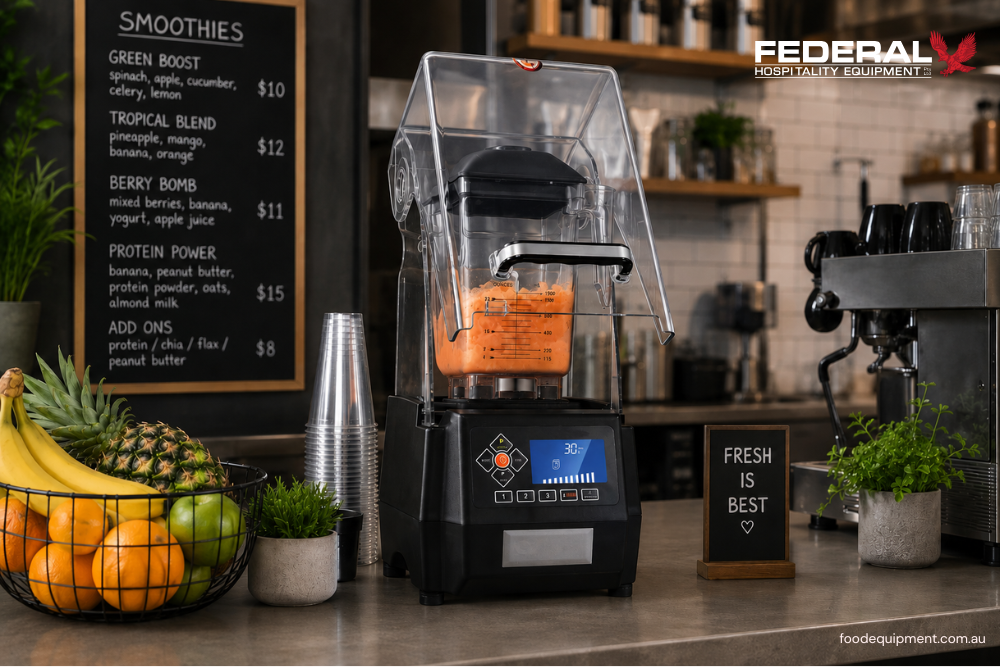
commercial blender making fresh fruit smoothie in café kitchen by Federal Hospitality Equipment

Running a successful café in Australia today means delivering speed, consistency, and quality across a diverse menu. From protein smoothies in Sydney’s fitness hubs to iced frappes in Brisbane’s warm climate, beverages are a high-margin category—and the commercial blender sits right at the centre of that opportunity.

But not all blenders are built for café environments. Choosing the wrong unit can slow service, increase maintenance costs, and frustrate staff during peak hours. This guide breaks down exactly what works best for Australian cafés, with practical insights, comparisons, and decision frameworks designed for clarity and proper understanding.

Why Commercial Blenders Matter in Australian Cafés?

Australian café culture is one of the most competitive in the world. Customers expect fast service without compromising on taste or presentation. A reliable commercial blender helps you:

  • Maintain consistent texture and flavour
  • Reduce prep time during busy service hours
  • Expand your menu into high-margin beverages
  • Improve workflow efficiency behind the counter

Unlike domestic blenders, commercial blenders are designed for continuous use, higher loads, and tougher ingredients such as ice, frozen fruit, and nuts.

Tip: For cafés preparing smoothies, frappes, and iced drinks daily, choosing a commercial-grade blender helps maintain speed and consistency during busy service periods.

Key Use Cases in Australian Cafés

Understanding how your blender will be used is the first step in choosing the right model.

Use Case Typical Requirements Recommended Blender Type
Smoothies & Protein Shakes High speed, ice crushing, consistent blending High-speed commercial blender
Frappes & Iced Coffee Ice mixing, quick cycles High-speed with preset functions
Sauces & Purees Precision control, variable speeds Variable-speed blender
Nut Butters & Thick Blends Strong motor, durable blades Heavy-duty blender
Cocktail Preparation Ice crushing, quick operation Bar blender

In Australia’s warmer regions, such as Queensland and Western Australia, demand for cold beverages is significantly higher, making high-speed blenders for sale with cooling systems especially valuable.

What Works Best: Core Features to Look For

1. Motor Power (The Heart of Performance)

Motor power determines how efficiently your blender handles tough ingredients.

Power Range Best For Suitability for Cafés
1000–1200W Light use Small cafés, low volume
1200–1800W Medium use Standard cafés
1800W+ Heavy-duty High-volume cafés

For most Australian cafés, 1500W–1800W is the sweet spot between performance and energy consumption.

Tip: If your café blends frozen fruit, ice, protein powders, or thick smoothie bases, motor power should be one of your first checks.

2. Noise Reduction (Critical in Café Settings)

Australian cafés often emphasise ambience. Loud equipment, like commercial coffee and espresso machines, can disrupt the customer experience.

Feature Benefit
Sound Enclosures Reduces noise significantly
Quiet Motors Improves customer comfort
Anti-vibration Design Minimises countertop noise

If your café has an open layout, investing in a quiet blender in Australia with a sound shield is highly recommended.

Tip: Sound enclosures are especially useful in open cafés where customers sit close to the service counter.

3. Blade Design and Material

Blades impact blending consistency and durability.

Blade Type Best For
Stainless Steel Multi-Blade Smoothies, ice crushing
Serrated Blades Tough ingredients
Flat Blades Grinding and dry ingredients

High-quality stainless steel blades are essential for long-term use in Australian conditions, where frequent ice blending is common.

4. Jar Capacity and Material

Choosing the right jar size affects both efficiency and waste reduction.

Capacity Ideal For
1–1.5L Single servings
1.5–2L Standard café use
2L+ High-volume operations
Material Pros Cons
Polycarbonate Lightweight, durable Can scratch over time
Glass Scratch-resistant Heavy, breakable
Stainless Steel Durable, opaque No visibility

Most Australian cafés prefer polycarbonate jars for their balance of durability and practicality.

For further information, visit the top commercial blender suppliers and manufacturers in your area.

Tip: A 1.5–2L polycarbonate jar is usually practical for standard café use because it balances capacity, visibility, and ease of handling.

5. Speed Controls and Automation

Modern commercial blenders offer programmable features that simplify operations.

Feature Why It Matters
Preset Programs Ensures consistency
Variable Speed Control Greater flexibility
Pulse Function Better texture control

Automation is particularly useful in cafés with high staff turnover, reducing training time and human error.

Comparing Blender Types for Cafés

Product Type Pros Cons Best Fit
High-Speed Blender Fast, versatile Higher cost Busy cafés
Heavy-Duty Blender Handles thick blends Bulky Specialty cafés
Bar Blender Compact, efficient Limited versatility Coffee-focused cafés
In-Counter Blender Space-saving, quieter Installation required Premium cafés

For most Australian cafés, a high-speed commercial blender with sound enclosure offers the best balance.

Workflow Considerations for Australian Cafés

Efficiency behind the counter is critical, especially during peak morning hours.

Placement Strategy

Placement Option Advantage
Front Counter Quick access
Under Counter Noise reduction
Dedicated Beverage Station Streamlined workflow

Multi-Blender Setup

High-volume cafés should consider using multiple blenders & granita and slushy dispensers:

Setup Benefit
Two identical units Backup and speed
Different product types Menu flexibility
Tip: If blended drinks are a major part of your menu, a backup unit helps keep service moving during cleaning or peak demand.

Energy Efficiency and Compliance in Australia

Australia has strict energy standards and rising electricity costs. When you buy commercial blenders online that are energy-efficient, it can reduce operational expenses.

Factor What to Look For
Energy Rating Higher efficiency models
Auto Shut-Off Prevents overheating
Efficient Motors Lower power consumption

Always ensure your equipment complies with Australian electrical safety standards (RCM certification).

Maintenance Tips for Long-Term Performance

Frequent maintenance is crucial to keep your equipment performing at its best.

Task Frequency
Cleaning the jar and blades After each use
Checking seals Weekly
Inspecting blades Monthly
Servicing motor Annually

Common Issues and Solutions

Issue Cause Solution
Overheating Overuse Allow cooling time
Uneven blending Dull blades Replace blades
Leaks Worn seals Replace gasket
Tip: Cleaning the jar and blades straight after use helps prevent residue buildup and keeps drinks tasting consistent.

Cost vs Value: What Should You Spend?

Commercial mixer pricing in Australia varies widely.

Price Range (AUD) What You Get
$200–$500 Entry-level
$500–$1,200 Mid-range (best value)
$1,200+ Premium, high-performance

While budget models may seem attractive, mid-range to premium options sourced from the leading commercial blender dealers and distributors typically offer better durability and ROI.

Best Product Setup for Different Café Types

Café Type Recommended Setup
Small Café 1 mid-range blender
Medium Café 1 high-speed + backup unit
High-Volume Café 2–3 high-speed blenders
Specialty Café Heavy-duty + variable-speed

Hygiene and Food Safety Standards in Australia

Food safety compliance is non-negotiable in Australian cafés, especially when handling dairy, fresh fruit, and protein-based beverages.

Key Hygiene Considerations

Requirement Why It Matters Best Practice
Easy-to-clean design Prevents bacterial buildup Choose removable blade assemblies
Dishwasher-safe jars Saves time and ensures sanitation Use commercial-grade dishwasher cycles
BPA-free materials Food safety compliance Opt for certified polycarbonate jars
Smooth surfaces Reduces residue buildup Avoid complex internal designs

Blenders used for dairy-based drinks must be cleaned thoroughly to comply with Food Standards Australia New Zealand (FSANZ) guidelines. Poor hygiene can lead to contamination risks in products such as the one mentioned here, as well as hot water boilers and urns, and regulatory penalties.

Tip: Dairy-based smoothies and protein drinks should be cleaned from blender jars immediately to reduce contamination risks.

Future Trends in Commercial Blenders

The Australian market is evolving with new technology.

Trend Impact
Smart Blenders App control, automation
Noise Reduction Tech Better customer experience
Energy Efficiency Lower operating costs
Compact Designs Space optimisation

Conclusion

For most Australian cafés, the ideal commercial blender includes:

  • A 1500W–1800W motor
  • Sound enclosure for noise reduction
  • 1.5–2L polycarbonate jar
  • Preset programs and variable speed control
  • Strong warranty and local support

The best choice ultimately depends on your café’s volume, menu, and workflow. Investing in the right product isn’t just about equipment—it’s about improving service speed, product quality, and profitability.

FAQs: Commercial Blenders for Cafés

1. What commercial blender works best for Australian cafés?

For most cafés, a high-speed commercial blender with strong motor power, durable stainless steel blades, and noise reduction features works best. It can handle smoothies, frappes, iced coffee, frozen fruit, and ice more reliably than a domestic blender.

2. What wattage should a café blender have?

Most Australian cafés should look for a blender in the 1500W–1800W range. This is usually powerful enough for regular smoothie and frappe preparation while still balancing energy consumption.

3. Are sound enclosures important for café blenders?

Yes. Sound enclosures are valuable in cafés because they reduce blending noise and help maintain a more comfortable customer experience, especially in open-plan venues.

4. What jar size is best for café use?

A 1.5–2L jar is generally suitable for standard café use. It provides enough capacity for common drinks while still being manageable for staff during busy service.

5. How often should commercial blenders be cleaned?

The jar and blades should be cleaned after every use. Seals should be checked weekly, blades inspected monthly, and the motor serviced annually for long-term performance.

6. Is a domestic blender suitable for a café?

No. Domestic blenders are not designed for continuous commercial use or heavy ingredients such as ice, frozen fruit, and nuts. A commercial blender is safer, stronger, and more reliable for café operations.

7. Should high-volume cafés use more than one blender?

Yes. High-volume cafés often benefit from multiple units because they improve service speed, provide backup during cleaning or maintenance, and allow staff to prepare different drink types efficiently.

Top Features to Consider in a Commercial Dishwasher Bench

commercial stainless steel dishwasher bench with double sink and drainboard in professional kitchen

A commercial dishwasher bench is more than just a stainless steel workspace—it’s the backbone of your dishwashing station. In fast-paced Australian kitchens, from Sydney cafés to Melbourne restaurants and regional catering setups, the right dishwasher bench can dramatically improve workflow, hygiene, and compliance.

This content breaks down the best features to consider when choosing a commercial plate cleaning bench in Australia, with practical insights, tables, and buying tips to help you make an informed decision.

Top Features to Consider

1. Stainless Steel Grade

The most critical factor is the quality of stainless steel used.

Steel Grade Features Best For
304 Grade Stainless Steel Corrosion-resistant, durable, food-safe Most commercial kitchens
430 Grade Stainless Steel Lower cost, less corrosion resistance Light-duty use
Tip: Always opt for 304-grade stainless steel for Australian commercial kitchens due to its durability and compliance with hygiene standards.

2. Configuration: Left-Hand vs Right-Hand

Dishwasher benches are available in left- and right-hand configurations, depending on workflow direction.

Configuration Ideal For Workflow Direction
Left-Hand Bench Dishwasher on the right Dirty → Clean (left to right)
Right-Hand Bench Dishwasher on the left Dirty → Clean (right to left)
Tip: Match the configuration to your kitchen layout to avoid workflow disruption.

3. Sink Size and Depth

The sink is essential for pre-rinsing and soaking dishes.

Feature Ideal Specification
Sink Depth 300mm – 450mm
Sink Width 400mm – 600mm
Number of Sinks Single or double

Why it matters:

Deeper sinks reduce splashing and accommodate large cookware, such as pots and trays.

4. Drainboard Design

Drainboards help manage wet dishes before and after washing.

Key considerations:

  • Ribbed surface for water drainage
  • Adequate slope toward the sink
  • Sufficient space for stacking dishes
Tip: Choose dishwasher benches for sale with integrated drainboards on both sides for high-volume kitchens.

5. Splashback Height

Splashback benches prevent water from damaging walls and surrounding equipment.

Splashback Height Application
100mm Light-duty use
150mm – 200mm Standard commercial kitchens
300mm+ Heavy-duty or high-splash areas
Tip: Many councils and health inspectors prefer a minimum splashback height of 150mm for compliance.

6. Undershelf Storage

An undershelf provides valuable storage for:

  • Cleaning chemicals
  • Dish racks
  • Kitchen tools
Type Benefit
Fixed Undershelf Strong and durable
Adjustable Undershelf Flexible storage

It keeps your workspace clutter-free and organised.

7. Compatibility with Commercial Dishwashers

Your product, sourced from the leading dishwasher bench suppliers and manufacturers, must integrate seamlessly with your machine.

Check for:

  • Correct height alignment
  • Inlet/outlet space
  • Rack size compatibility
Dishwasher Type Bench Compatibility
Undercounter Variant Compact benches
Pass-Through Variant Larger, dual-sided benches

8. Load Capacity and Strength

Commercial kitchens handle heavy loads daily.

Feature Recommended Spec
Bench Thickness 1.0mm – 1.2mm steel
Weight Capacity 150kg+

Why it matters: Prevents bending, warping, and long-term damage.

9. Adjustable Legs

Uneven floors are common in older Australian buildings.

Look for:

  • Adjustable stainless steel legs
  • Non-slip feet

Benefit: Ensures stability and proper alignment of the drainage system.

10. Hygiene and Easy Cleaning

Hygiene is critical for compliance with Australian food safety standards.

Key features:

  • Rounded corners (no dirt traps)
  • Smooth welds
  • Easy-to-clean surfaces
Pro Tip: Avoid benches with sharp edges or poor finishing.

11. Plumbing and Tap Compatibility

Ensure the product supports your plumbing setup when you buy dishwasher benches online.

Feature Importance
Pre-drilled tap holes Easy installation
Waste outlets Efficient drainage
Water connection points Compatibility with existing systems

12. Customisation Options

Not all kitchens are the same. Custom commercial benches allow:

  • Tailored dimensions
  • Additional sinks
  • Special drainage systems

Ideal for:

  • Unique kitchen layouts
  • High-volume operations
  • Space-constrained environments

Compliance Requirements in Australia

When selecting a product like a dishwasher or a salamander bench, ensure compliance with:

  • Food Standards Australia New Zealand (FSANZ) benchmarks
  • Local council health regulations
  • Workplace safety standards

Key Compliance Factors

Requirement Description
Food-Grade Material Stainless steel (preferably 304 grade)
Cleanability Smooth, non-porous surfaces
Drainage Proper water flow and waste disposal
Splash Protection Adequate splashbacks

Failure to adhere to the instructions can lead to fines or operational shutdowns.

Cost Overview in Australia

Prices differ on the basis of size, material, and features.

Type Price Range (AUD)
Basic Bench $500 – $900
Mid-Range Bench $900 – $1,500
Premium/Custom Bench $1,500 – $3,000+
Tip: Investing in a high-quality dishwasher benches in Australia reduces maintenance and replacement costs over time.

Common Mistakes to Avoid

Choosing the Wrong Configuration (Left vs Right)

Many buyers overlook the importance of workflow direction when selecting a titular bench.

Why this is a problem:

  • Disrupts the natural flow of dirty → clean dishes
  • Causes staff to cross paths, increasing the risk of contamination
  • Slows down operations during peak hours

What to do instead:

  • Map your kitchen workflow before purchasing
  • Ensure dishes move in a single, logical direction
  • Match the bench configuration with your dishwasher position

Ignoring Compliance Requirements

Failing to meet Australian food safety standards can result in fines or failed inspections.

Why this is a problem:

  • Non-compliant materials can harbour bacteria
  • Poor drainage or splash protection violates hygiene codes
  • Retrofitting later is expensive

What to do instead:

  • Choose food-grade stainless steel (304 grade)
  • Ensure proper drainage, splashbacks, and cleanable surfaces
  • Check local council and FSANZ guidelines before buying

Buying Low-Grade Stainless Steel

Opting for cheaper materials may save money upfront, but costs more in the long run.

Why this is a problem:

  • Prone to rust and corrosion
  • Shorter lifespan under heavy use
  • May not meet hygiene standards

What to do instead:

  • Invest in 304-grade stainless steel
  • Verify material specifications from the top dishwasher bench dealers and distributors
  • Avoid vague product descriptions like “commercial quality” without proof

Underestimating Required Space

A mobile bench that’s too small—or too large—can disrupt your kitchen layout.

Why this is a problem:

  • Limited space creates bottlenecks
  • Oversized benches reduce the movement area
  • Poor fit affects workflow efficiency

What to do instead:

  • Measure your kitchen accurately (width, depth, height)
  • Allow space for staff movement and dish racks
  • Consider future growth and peak-hour demand

Skipping Professional Installation

DIY installation may seem cost-effective, but it often leads to operational issues.

Why this is a problem:

  • Incorrect plumbing connections
  • Improper alignment with the dishwasher
  • Risk of leaks and drainage problems

What to do instead:

  • Hire licensed professionals for installation
  • Ensure proper alignment with your dishwasher and plumbing
  • Test the setup before full operation

Quick Buying Checklist

Use this checklist before making a purchase:

  • 304-grade stainless steel
  • Correct left/right configuration
  • Adequate sink size and depth
  • Integrated drainboards
  • Minimum 150mm splashback
  • Dishwasher compatibility
  • Strong load capacity
  • Easy-to-clean design
  • Meets Australian compliance standards

Conclusion:

A commercial dishwasher bench is a long-term investment that directly impacts your kitchen's efficiency, hygiene, and compliance. In Australia's competitive food service industry, choosing the right features—from stainless steel grade to ergonomic design—can streamline operations and reduce costs.

Take the time to assess your kitchen layout, workflow, and regulatory requirements before purchasing. Whether you run a busy restaurant in Brisbane or a café in Perth, the right dishwasher bench will keep your operations running smoothly and your customers satisfied.


FAQs: Commercial Dishwasher Benches

1. What is the best stainless steel grade for a commercial dishwasher bench?

304-grade stainless steel is generally the best choice for Australian commercial kitchens because it is durable, corrosion-resistant, food-safe, and suitable for hygiene compliance.

2. Should I choose a left-hand or right-hand dishwasher bench?

The best configuration depends on your kitchen workflow and where your dishwasher is positioned. Choose the setup that allows dishes to move in a clear dirty-to-clean direction without staff crossing paths.

3. What splashback height is recommended for commercial kitchens?

A splashback height of at least 150mm is commonly preferred for commercial kitchens, although high-splash or heavy-duty areas may benefit from 300mm or higher.

4. Why are drainboards important on dishwasher benches?

Drainboards help manage wet dishes before and after washing. They improve workflow, reduce mess, and provide space for stacking dishes safely during busy service periods.

5. Do dishwasher benches need to meet Australian compliance standards?

Yes. Commercial dishwasher benches should support food safety, cleanability, drainage, splash protection, and workplace safety requirements. Local council and FSANZ expectations should always be considered.

6. Is professional installation necessary?

Professional installation is strongly recommended because dishwasher benches often require correct plumbing, drainage alignment, and integration with commercial dishwashers.

How to Choose the Right Workbench Freezer for Your Business?

commercial stainless steel workbench freezer in professional kitchen with prep surface and storage

Choosing a workbench freezer for your business is not just about selecting a unit that keeps food frozen. In Australia, where commercial kitchens operate in high ambient temperatures and must comply with strict food safety regulations, the right decision directly affects efficiency, compliance, and long-term operating costs.

A workbench freezer combines refrigerated storage with a functional prep surface, making it essential to align the unit with your workflow and kitchen environment.

Tip: A well-integrated workbench freezer reduces staff movement and improves kitchen efficiency during peak service hours.

Matching the Freezer to Your Kitchen Layout

The first step in choosing the right refrigeration unit, such as a workbench freezer, is understanding your kitchen layout. These units are typically installed along prep lines or near cooking stations to improve workflow.

Width Range Door Configuration Best For
1200mm 2-door Small cafés
1500mm 2–3 door Restaurants
1800mm 3-door Busy kitchens
Tip: Leave proper ventilation space around the unit to prevent overheating and compressor strain.

Choosing the Right Capacity

Capacity should match your daily usage, not future assumptions.

Business Type Capacity Usage
Café 150–200L Low
Restaurant 200–300L Moderate
High-volume 300L+ Heavy
Tip: Avoid oversizing — larger units consume more energy and increase operating costs.

Considering Australian Climate Conditions

Australian kitchens often operate in high temperatures. Tropical-rated units are designed to handle environments up to 38°C.

Feature Standard Unit Tropical Unit
Max Temp 30°C 38°C
Stability Moderate High
Tip: Avoid placing freezers near ovens or fryers to maintain consistent performance.

Temperature Control Systems

Feature Benefit
Digital thermostat Precise control
Fan cooling Even airflow
Auto defrost Reduced maintenance
Tip: Keep door openings short to maintain internal temperature stability.

Build Quality and Materials

  • Stainless steel exterior
  • Durable shelving
  • Hygienic interiors
Tip: Choose self-closing doors to prevent accidental temperature loss during busy service.

Workflow Efficiency and Design

A workbench freezer also functions as a prep station, improving workflow efficiency.

Tip: Store frequently used ingredients in accessible sections to speed up service.

Energy Efficiency and Costs

Feature Benefit
Insulation Lower energy use
Efficient compressor Reduced power
Eco refrigerant Compliance
Tip: Focus on running costs, not just purchase price.

Maintenance and Cleaning

Feature Benefit
Removable shelves Easy cleaning
Smooth interior Hygiene
Drain system Less downtime
Tip: Clean condenser coils regularly to maintain efficiency and prevent breakdowns.

Budget vs Long-Term Value

Category Budget Premium
Cost Lower Higher
Efficiency Moderate High
Durability Average Long-lasting
Tip: Consider warranty and support when evaluating total value.

Conclusion

Choosing the right workbench freezer involves balancing capacity, layout, durability, and efficiency. The right choice improves workflow, reduces costs, and ensures compliance.

Tip: Always choose equipment based on real operational needs, not assumptions.

How to Train Staff to Use Meat Aging Cabinets Safely?

Meat Aging Cabinets

Dry aging has become a hallmark of premium dining across Australia, with steakhouses, butcher shops, and high-end restaurants embracing the technique to deliver unmatched flavour and tenderness. While meat aging cabinets offer precision and control, they also require careful handling and a well-trained team to ensure food safety, compliance, and consistent results. Training staff properly is not just a best practice—it is essential for protecting customers, maintaining quality, and meeting Australian food safety standards. 

1. Introducing Staff to Meat Aging Cabinet Technology 

Training should begin with a detailed introduction to the titular commercial cabinet itself. Staff need to understand how the equipment works, including how it controls temperature, humidity, and airflow. Modern cabinets are designed to create optimal aging conditions, typically maintaining temperatures between 0°C and 4°C and humidity levels of 75 to 85 per cent. 

2. Keep your food warm at a consistent temperature without overcooking or drying it out. Browse our Bain Marie. 

It is important to walk staff through the control panel, explain alarm systems, and demonstrate how to read and interpret data. When employees understand what each setting does and why it matters, they are more likely to monitor conditions accurately and respond quickly if something goes wrong. Familiarity with the equipment also reduces the risk of accidental misuse. 

3. Emphasising Hygiene and Personal Responsibility 

Hygiene is at the heart of safe meat aging. Staff must be trained to follow strict personal hygiene practices before handling any meat. These practices include proper handwashing, wearing clean uniforms, and using protective gear such as gloves where appropriate. 

Cross-contamination is one of the biggest risks in commercial kitchens. Employees should be taught to handle aged meat separately from other food items and to regularly sanitise surfaces, tools, and their hands. In an Australian context, this aligns with national food safety standards that require clear separation between raw and ready-to-eat products. 

Training related to dry-aging cabinets should reinforce that every team member is responsible for maintaining cleanliness. Even a small lapse can compromise an entire batch of aging meat, resulting in financial losses and potential health risks. 

Table 1: The below table shows what needs to be taken care of by the deli staff.

Area ✅ Do ❌ Don’t
Personal Hygiene ✅ Wash hands thoroughly and wear clean uniforms, gloves, and hairnets before handling deli food. ❌ Don’t handle food with dirty hands, uncovered hair, or dirty clothing.
Cross-Contamination Prevention ✅ Keep raw meats separate from cooked and ready-to-eat foods. Use separate utensils and cutting boards. ❌ Don’t use the same knives, slicers, or trays for different food types without sanitising them.
Temperature Control ✅ Keep chilled foods cold and hot foods heated at safe temperatures. Check temperatures regularly. ❌ Don’t leave deli foods sitting at room temperature for long periods.
Cleaning and Sanitising ✅ Clean and sanitise benches, slicers, knives, trays, and equipment frequently using food-safe cleaners. ❌ Don’t allow food residue, grease, or bacteria to build up on surfaces or equipment.
Food Storage and Labelling ✅ Label products correctly with dates and rotate stock using FIFO (First In, First Out). ❌ Don’t use expired products or mix old stock with new stock.
Product Inspection and Safety ✅ Check deli products daily for freshness, smell, colour, and texture before serving customers. ❌ Don’t sell products with bad odours, mould, slimy texture, or damaged packaging.


4. Proper Meat Selection and Preparation 

Safe use of the titular maturing cabinet begins long before the meat enters the unit. Staff must be trained to select high-quality, fresh cuts suitable for dry aging. Meat should come from reputable suppliers and meet Australian quality standards. 

Preparation is equally important. Employees should know how to handle meat without introducing contaminants, including using clean tools and avoiding unnecessary contact. The meat must be placed in the cabinet so that proper airflow surrounds each cut, ensuring even aging and preventing spoilage. Teaching staff these preparation steps ensures consistency and reduces the chance of mistakes that could jeopardise both safety and product quality. 

5. Monitoring Temperature and Humidity 

One of the most critical aspects of safe meat aging is maintaining the correct environmental conditions. Staff should be trained to monitor temperature and humidity levels regularly and understand the acceptable ranges. 

In Australia's varied climate, external conditions can influence kitchen environments, making it even more important to rely on the cabinet's controls and monitoring systems. Employees should know how to check readings, log data if required, and respond to any deviations immediately. For further information, visit the top meat aging cabinet suppliers and manufacturers near you. 

If the temperature rises above safe levels or the humidity drops too low, the risk of spoilage increases significantly. Training should include clear instructions on what actions to take in such situations, including notifying supervisors and adjusting settings as needed. 

6. Implementing Clear Cleaning and Maintenance Procedures 

Regular cleaning and maintenance of these commercial cabinets are vital to prevent contamination and guarantee optimal performance. Staff should be trained to clean interior surfaces, racks, and removable components using food-safe cleaning agents. 

It is crucial to set a regular cleaning schedule and check that all team members are aware of their roles in maintaining the equipment. Training should also cover how to identify unsafe, unusual odours and any mechanical issues that require attention. 

In Australia, maintaining clean equipment is a legal requirement under food safety regulations, and failure to comply can result in penalties or closure. Proper training helps businesses stay compliant while protecting their reputation. 

Stick Blenders offer quick, efficient blending of soups, sauces, and purees right in the pot. Take a look at our range. 

7. Recognising Safe vs Unsafe Aging Conditions 

Not all changes in aging meat are cause for concern, and staff must learn to distinguish between normal and problematic signs. During aging, meat will develop a darker exterior and a distinct aroma, which are expected characteristics. 

However, employees should also be trained to identify warning signs such as excessive or unusual mould growth, strong unpleasant odours, or slimy textures when you buy meat aging cabinets online. These indicators suggest the meat may no longer be safe to consume. 

Providing visual references and real-life examples during training can help staff build confidence in identifying these differences. This knowledge is crucial for preventing unsafe products from reaching customers. 

8. Documentation and Compliance with Australian Standards 

Accurate record-keeping is a key part of food safety in Australia. Staff should be trained to document temperature checks, cleaning schedules, and any incidents related to the beef maturing process. 

These records not only help maintain consistency but also demonstrate compliance during inspections by health authorities. Training should emphasise the importance of honesty and accuracy in documentation, as falsified records can lead to serious consequences. Understanding local council requirements and national standards ensures that staff are not just following internal procedures but also meeting legal obligations. 

9. Building a Culture of Accountability and Continuous Learning 

Training on the product sourced from leading meat aging cabinet dealers and distributors should not be a one-time event. Ongoing education and reinforcement are essential for maintaining high standards. Managers should encourage staff to ask questions, report issues, and stay up to date on best practices. 

Creating a culture of accountability means that every team member feels responsible for food safety and product quality. Regular refresher sessions, performance reviews, and updates on new technologies help keep skills sharp and knowledge current. In Australia's competitive hospitality industry, businesses that prioritise training and safety are more likely to generate user trust and stand out in the market. 

Designed to deliver consistent results, these products support high-volume production with ease and reliability. Check out Bakery & Pizza Equipment. 

Conclusion 

Training staff to use meat aging cabinets safely is a vital investment for any Australian food business looking to deliver premium products while maintaining strict safety standards. From understanding the science of dry aging to mastering hygiene, monitoring conditions, and complying with regulations, every aspect of training plays a crucial role in success. 

By focusing on education, accountability, and continuous improvement, businesses can ensure that their teams handle these commercial cabinets with confidence and care. The result is not only safer operations but also consistently high-quality products that meet the expectations of Australia's discerning diners. 

Sources: FHE website internal pages, butcher shop in sydney, deli shop sydney

What Should I Look for When Buying a Free-Standing Fryer?

Chef is using Gasmax Fryer

Choosing the right free-standing fryer is a big decision for any commercial kitchen in Australia. Whether you're running a busy café, a quick‑service takeaway, or a full‑scale restaurant, the fryer you select will directly impact speed, consistency, and food quality. Here's a clear guide to help you make the right choice. 

  1.  Capacity & Output
  • Look at oil capacity (often 20–30 litres for commercial fryers). 
  • Match the fryer's output to your menu volume — high‑traffic venues need larger capacity. 
  • Consider dual‑tank models if you cook different products simultaneously (e.g., chips and seafood). 

Compact and efficient, these products are ideal for kitchens with limited space or lower-volume frying needs. Check out our Benchtop Fryers. 

  1.  Power Source & Efficiency
  • Gas vs Electric: Gas fryers heat faster and suit high‑volume kitchens; electric fryers are easier to install and often more energy‑efficient. 
  • Check for Australian energy efficiency ratings to keep running costs manageable. 
  • Rapid recovery time is crucial during peak service hours. 
Feature Gas Fryers Electric Fryers
Heat-up Time Very fast heat-up, ideal for busy kitchens Slower heat-up compared to gas
Recovery Time Excellent recovery, handles continuous cooking Moderate recovery, better for lower volume
Running Costs Generally lower if gas is available Can be higher depending on electricity rates
Installation Requires gas connection and ventilation Simple installation, just power connection
Temperature Control Good control but less precise than electric Very precise and consistent temperature control
Best For High-volume restaurants and takeaway shops Cafes, small kitchens, and low to medium volume
Energy Efficiency Efficient for large-scale cooking Efficient for smaller batches
Maintenance More components, may need more servicing Simpler design, easier to maintain
Safety Requires gas safety checks and compliance Fewer safety risks, no open flame
Upfront Cost Often higher initial setup cost Usually lower upfront cost
  1.  Safety & Compliance
  • Ensure the free-standing fryer for sale complies with Australian Standards (AS/NZS) for electrical and gas appliances. 
  • Check for attributes like automatic shut‑off, cool‑touch handles, and splash guards. 
  • Staff training and WHS compliance are essential in commercial kitchens. 
  1.  Cleaning & Maintenance
  • Stainless steel construction makes cleaning easier and resists corrosion. 
  • Removable baskets, tanks, and filters save time during daily cleaning. 
  • Consider fryers with built‑in filtration systems to extend oil life and reduce waste. 
  1.  Sustainability & Oil Management
  • Oil filtration and efficient heating reduce waste and environmental impact. 
  • Some models are designed to minimise energy use while maintaining performance. 
  • Sustainability is increasingly important for Australian businesses aiming to reduce their footprint. 

Which freestanding fryer should I use?
Picture Source: The pic is taken from an asian restaurnat kitchen in Sydney.

  1.  Cost &LongTermValue 
  • Factor in lifecycle costs: oil usage, energy bills, and maintenance. A fryer that consumes less oil and energy will save thousands over its lifespan. 
  • Reliable brands may cost more upfront, but save money in the foreseeable future by reducing downtime and repair costs. Think of it as an investment in smoother service and fewer headaches. For further information, visit the top free-standing fryer suppliers, dealers and manufacturers in your area. 
  • Check warranty and after-sales support available in Australia — strong local backing ensures you won't be left stranded if issues arise. 
  1.  Local Support & Availability
  • Select suppliers with robust local service connections to limit downtime. In Australia, service delays can be costly during peak trading hours. 
  • Ensure spare parts are readily available locally — importing them can lead to long waits and lost revenue. 
  • Brands with established distribution here (like Frymax, Fagor, and others) offer peace of mind, as they're backed by national service teams and proven reliability. 
  1.  Versatility & Menu Fit
  • Some fryers are better suited for chips, while others are better suited for proteins or speciality items. Matching fryer design to your menu ensures consistent results. 
  • Consider programmable controls for different menu items — this reduces staff error and speeds up service. 
  • Multi‑tank fryers allow flexibility across diverse menus, letting you cook seafood, chips, and desserts separately without flavour crossover. 

Available in gas or electric, these appliances are built for durability and consistent performance in busy Australian environments. Browse our Cooktops & Ranges. 

  1.  Technology & Smart Features
  • Digital controls improve precision and consistency, ensuring every batch is cooked to the same standard once you buy free-standing fryers online
  • Programmable timers reduce staff error and free up attention for other tasks in busy kitchens. 
  • Some models include energy‑saving modes or automatic oil filtration, which not only cut costs but also align with sustainability goals increasingly valued in Australia. 
  1.  Build Quality & Durability
  • Heavy‑duty stainless steel ensures long service life, resisting corrosion and daily wear in demanding kitchens. 
  • Reinforced baskets, hinges, and heating elements withstand continuous operation, making them ideal for high‑volume venues. 
  • Look for fryers designed for continuous operation in busy kitchens — durability means fewer breakdowns, less downtime, and stronger ROI over time. 

Conclusion 

When buying a free-standing fryer in Australia, consider balance, capacity, efficiency, safety, sustainability, and support. The right fryer isn't just about cooking chips faster — it's about ensuring your kitchen runs smoothly, safely, and profitably for years to come. 

Sources: FHE internal webpages, hospitality australia news, hospitality australia magazine

ShareThis Copy and Paste