
Running a commercial kitchen is a balancing act between speed, quality, and cost control. From restaurants and cafés to hotels and catering businesses, the appliances you rely on—ovens, fryers, refrigeration units, dishwashers, and woks—represent a significant investment. Yet, many operators overlook one of the simplest ways to protect that investment: regular servicing and preventive maintenance of your commercial kitchen equipment.
In this blog, we’ll explore why routine servicing is essential, how it directly impacts your bottom line, and practical steps to implement a cost-saving maintenance strategy.
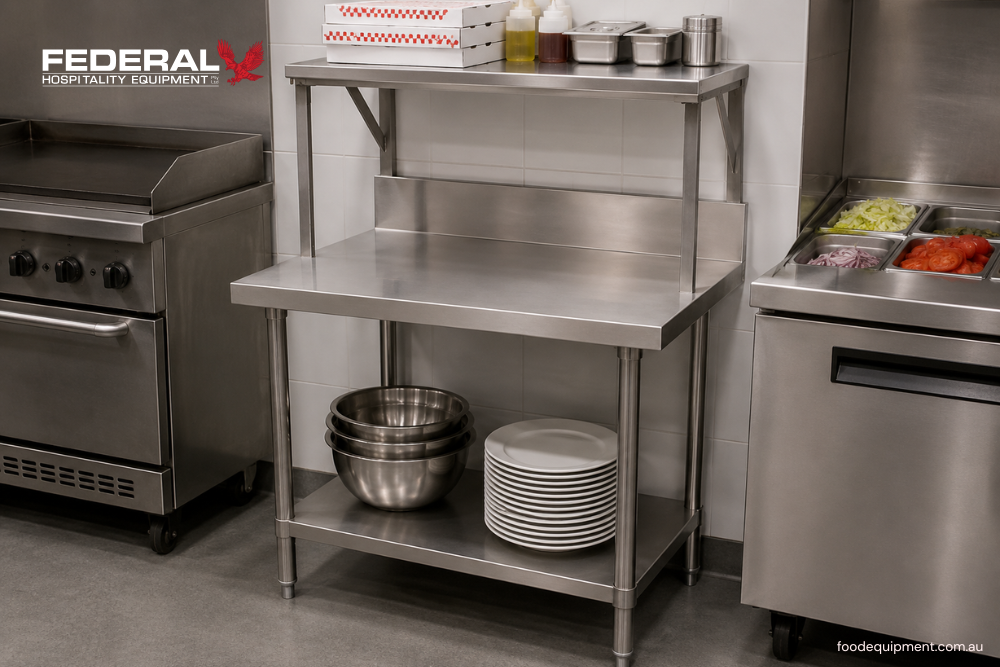
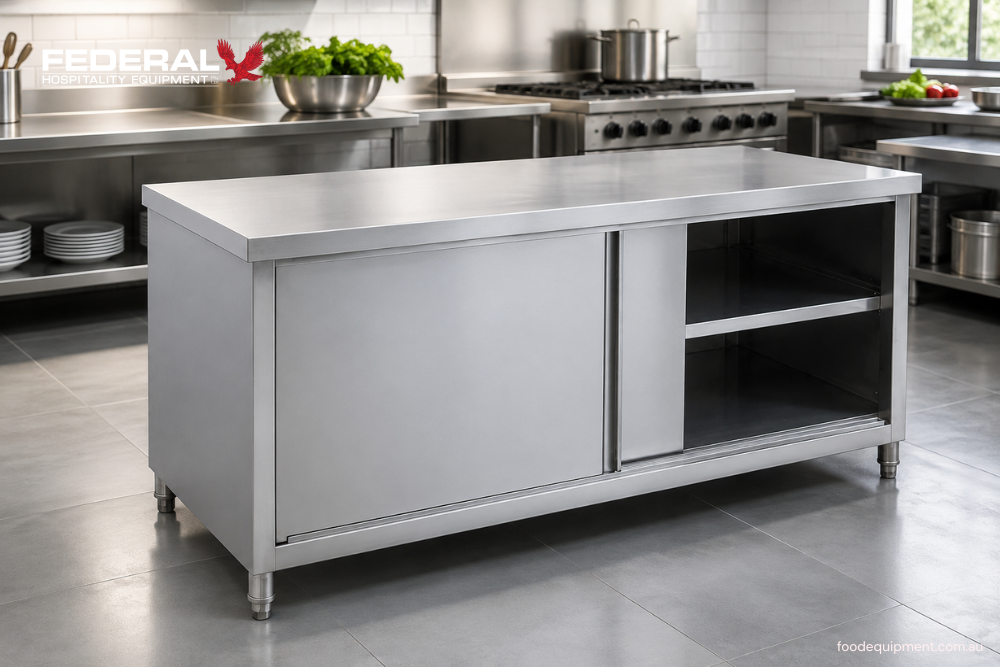
One example of a premium and durable stainless steel offering is Splashback Benches. Check out our offerings now.
The True Cost of Neglect
When your appliance malfunctions abruptly, the expenses go far beyond the repair bill:
- Lost Revenue During Downtime
When a fryer, oven, or refrigeration unit malfunctions during rush hours, service grinds to a halt. Customers walk away, orders are cancelled, and you lose out on profits. Even a few hours of downtime in a bustling restaurant can cost hundreds to thousands of dollars in missed sales.
- Skyrocketing Emergency Repair Costs
Emergency call-outs are significantly more expensive than scheduled servicing. A technician called at midnight on a Saturday will charge premium rates, and parts may need to be rushed in, which will multiply costs.
- ShortenedProduct Lifespan
Neglected equipment wears out faster. A commercial oven that could last 10 years with proper care may fail in 6–7 years, forcing premature replacement and a capital expense of tens of thousands.
- Increased Energy Bills
Dirty filters, clogged burners, and faulty seals force commercial catering equipment to work harder. A poorly maintained refrigeration unit, for example, can consume 20–30% more electricity, inflating monthly utility bills.
- Food Spoilage & Waste
Unreliable refrigeration or inconsistent cooking temperatures can lead to spoiled ingredients or undercooked meals. This step not only wastes money but also risks customer complaints and refunds.
A single breakdown can cost thousands in lost sales and repairs, while regular servicing costs only a fraction of that.
How Regular Servicing Saves Money?
- ExtendsExpected Lifespan
Commercial kitchen equipment is built to last—but only if it’s maintained. Regular servicing ensures moving parts are lubricated, filters are cleaned, and worn components are replaced before they cause significant damage. This step can add 3–5 years to the life of expensive appliances.
- Reduces Emergency Repairs
Preventive upkeep locates minor problems in your commercial kitchen equipment for sale before they escalate. For example, replacing a $50 gasket today can prevent a $2,000 compressor failure tomorrow.
- Improves Energy Efficiency
A well-maintained fryer heats oil faster, a clean refrigeration unit uses less electricity, and a properly calibrated oven cooks evenly. These efficiencies can cut energy bills by 10–20%.
- Protects Food Quality & Safety
Faulty appliances can compromise food safety. Regular servicing ensures correct temperatures, preventing spoilage and reducing the risk of foodborne illness claims.
- Minimises Downtime
You can do scheduled upkeep during off-peak hours, avoiding the chaos of sudden breakdowns during service.
- Supports Warranty Compliance
Many manufacturers require proof of regular servicing to honour warranties. Skipping maintenance could void coverage, leaving you with hefty repair bills.
- Reduces Food Waste
Faulty refrigeration or inconsistent cooking temperatures can lead to spoiled ingredients or undercooked meals. Regular servicing ensures equipment runs at the correct settings, preventing unnecessary food loss that can cost thousands annually.
- Boosts Resale Value
Well-maintained products hold its value better. If you decide to upgrade or sell, buyers are willing to pay more for appliances with documented service histories.
- Lowers Insurance Premiums & Risks
Some insurers offer better rates for businesses that can prove regular maintenance, as it reduces the likelihood of fire hazards, water damage, or electrical failures. For further information, visit FHE – one of the leading commercial kitchen equipment suppliers and manufacturers near you.
Get the best cooktop for your kitchen with auto-ignition and adjustable feet. Check out our Fagor 900 Core Series options.
- Improves Staff Productivity
A reliable offering means staff spend less time troubleshooting or waiting for repairs, and more time serving customers. This step translates into higher output and smoother operations.
Equipment That Benefits Most from Regular Servicing
- Refrigeration Units – Clean condenser coils, check door seals, calibrate thermostats.
- Ovens & Ranges – Inspect burners, fans, and thermostats for accuracy.
- Fryers – Replace oil filters, clean heating elements, and check safety cut-offs.
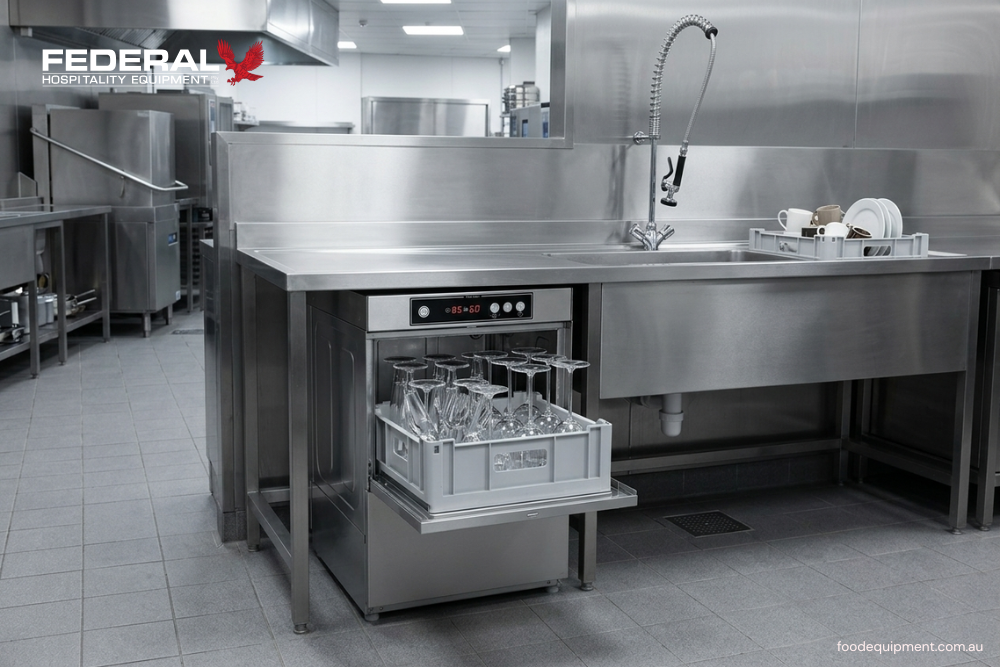
- Dishwashers – Descale regularly, inspect spray arms, and check water pressure.
- Induction Woks & Cookers – Ensure ventilation is clear, check electrical connections.
- Ventilation Systems – Clean grease filters and ducts to prevent fire hazards.
Building a Preventive Maintenance Plan
- Create a ComprehensiveProduct Inventory
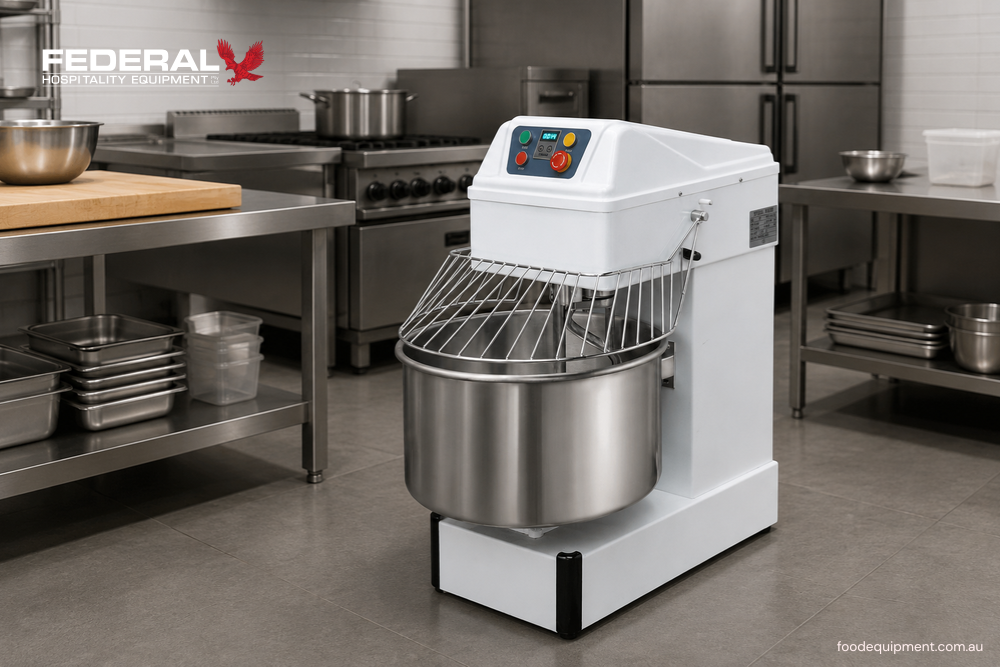
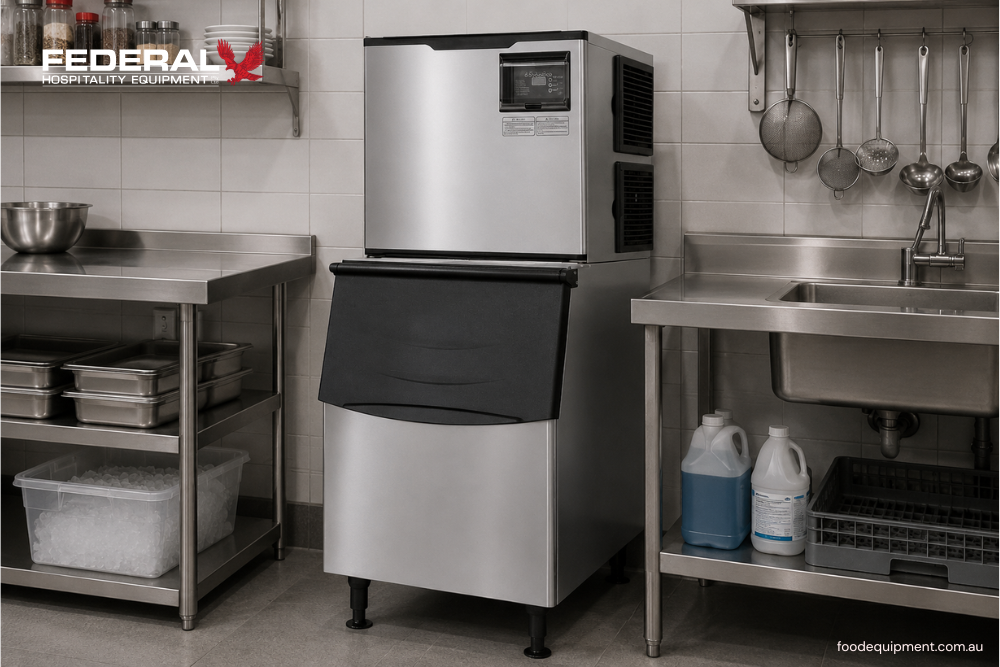
- List every major appliance: ovens, fryers, refrigeration units, dishwashers, induction cookers, mixers, and ventilation systems.
- Record key details: purchase date, warranty terms, serial numbers, and service history.
- Categorise commercial kitchen equipment in Sydney and Melbourne by priority—critical (e.g., refrigeration) vs. secondary (e.g., prep equipment).
- Establisha Servicing Schedule
- Daily/Weekly Tasks – Staff-led cleaning, filter checks, and temperature monitoring.
- Monthly Tasks – Minor inspections, calibration checks, and lubrication of moving parts.
- Quarterly/Annual Tasks – Professional servicing, deep cleaning, and replacement of worn components.
- Align servicing with manufacturer recommendations to keep warranties valid.
- Assign Responsibilities
- Train staff to handle basic maintenance (cleaning filters, checking seals, wiping down surfaces).
- Designate a kitchen manager or supervisor to oversee logs and ensure tasks are completed.
- Partner with certified service providers for technical inspections and repairs.
- Implement a Tracking & Logging System
- Use a simple spreadsheet, maintenance app, or logbook to record all servicing activities after you buy commercial kitchen equipment online.
- Track dates, technician notes, and parts replaced.
- This documentation helps with warranty claims, audits, and resale value.
- Budget for Preventive Maintenance
- Allocate a fixed percentage of your annual operating budget to servicing.
- This predictable cost is far lower than the cost of emergency breakdowns.
- Consider service contracts with suppliers for bundled savings.
- Train Staff on Equipment Care
- Provide induction training for new hires on proper equipment use.
- Run refresher sessions to reinforce cleaning routines and safe handling.
- Encourage staff to report unusual noises, smells, or performance issues early.
- Monitor Performance & Adjust
- Review energy bills, repair frequency, and downtime to measure the effectiveness of your plan.
- If one product – sourced from the top commercial kitchen equipment dealers and distributors – requires frequent fixes, adjust servicing intervals or consider replacement.
- Use data to refine your plan annually.
Long-Term Benefits Beyond Cost Savings
- Sustainability – Lower power usage reduces your carbon footprint.
- Staff Morale – Reliable equipment reduces stress and improves workflow.
- Customer Satisfaction – Consistent food quality builds loyalty and reputation.
- Resale Value – Well-maintained equipment retains higher resale value when upgrading.
Are you looking for a cooling appliance for your trendy bar? Check out our collection of wonderful Bar Fridges.
Conclusion
Regular servicing is not an expense—it’s an investment. By extending equipment life, reducing breakdowns, and improving efficiency, preventive maintenance can save commercial kitchens thousands of dollars every year.
For New Zealand and Australian businesses, suppliers like Federal Hospitality Equipment (FHE) not only provide high-quality commercial kitchen equipment but also support long-term servicing and maintenance solutions.
If you want your kitchen to run smoothly, keep costs under control, and protect your investment, make servicing a non-negotiable part of your operations.