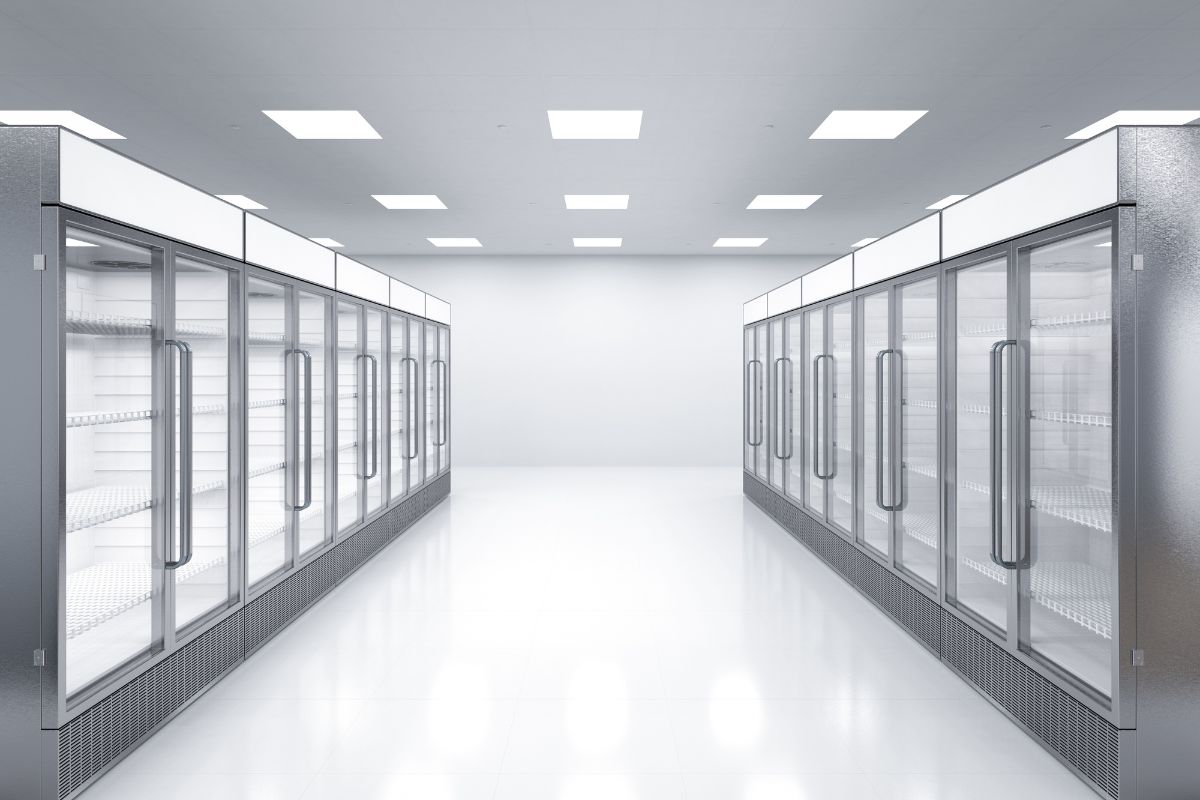
A commercial freezer is one of the most critical assets in any food service business. From restaurants and grocery stores to catering companies and hotel kitchens, the right freezer ensures food stays fresh, safe, and properly preserved. However, like any other appliance, commercial freezers do not last forever. Holding onto an outdated or malfunctioning unit can lead to increased costs, food spoilage, and even regulatory violations. But how do you know when it's time to upgrade? This guide will walk you through the key signs that indicate it's time to invest in a new commercial freezer.
Why an Outdated Commercial Freezer Could Be Costing You More Than You Think

Many businesses delay upgrading their commercial freezers because they assume repair costs are lower than replacement costs. However, older models often lead to hidden expenses that significantly impact profitability.
- Higher Energy Bills: Older units consume more electricity due to worn-out insulation, inefficient compressors, and outdated cooling technology. A modern commercial fridge freezer is designed to be more energy-efficient, reducing long-term operational costs.
- Frequent Maintenance Costs: Regular repairs add up, especially if parts are complex to source or the unit is beyond its intended lifespan.
- Food Spoilage & Wastage: Inconsistent cooling can cause food to thaw and refreeze, leading to quality degradation and safety concerns.
- Operational Downtime: A failing freezer disrupts workflow and can lead to lost revenue, especially if emergency repairs are needed frequently.
Inconsistent Cooling
Temperature stability is crucial in food storage. If your freezer struggles to maintain a consistent temperature, it may be a sign of failing components.
- Fluctuating Temperatures: If some areas inside the freezer are warmer than others, your unit may have an issue with its compressor, evaporator fan, or thermostat.
- Soft or Partially Frozen Items: Food that should be rock solid but instead appears soft indicates an inability to maintain the required temperature.
- Condensation or Frost Inside the Freezer could mean a failing door seal, improper airflow, or an overworked cooling system.
Modern commercial refrigeration units have precise digital thermostats that help maintain steady cooling while using less energy.
Energy Consumption
If your electricity bill has been rising without an increase in usage, your commercial freezer might be consuming excess energy. Older freezers require more power to maintain low temperatures because of outdated insulation, deteriorating seals, or inefficient motors.
How to Identify an Energy-Draining Freezer:
- Compare your utility bills over the past 12 months for unexplained increases.
- Listen for excessive humming, which indicates the compressor is overworking.
- Feel around the unit for heat—if the exterior gets unusually warm, energy is being wasted.
Upgrading to an energy-efficient freezer can significantly reduce power consumption, lowering overall operating costs.
Ice Build-Up, Leaks, and Frost
Excessive frost or leaks inside your freezer are more than inconvenient—they indicate a failing defrost system, insulation problems, or a malfunctioning compressor.
- Thick Frost Layers: If defrost cycles no longer work correctly, ice builds up and blocks airflow, making the unit less efficient.
- Water Leaks: Puddles around the freezer suggest a clogged or broken drainage system.
- Excessive Condensation: This could mean the door seals are not airtight, causing humidity to enter and create moisture inside the unit.
Modern commercial upright freezers have advanced defrosting systems and humidity controls to prevent these issues and keep food stored optimally.
The Impact of Capacity Issues
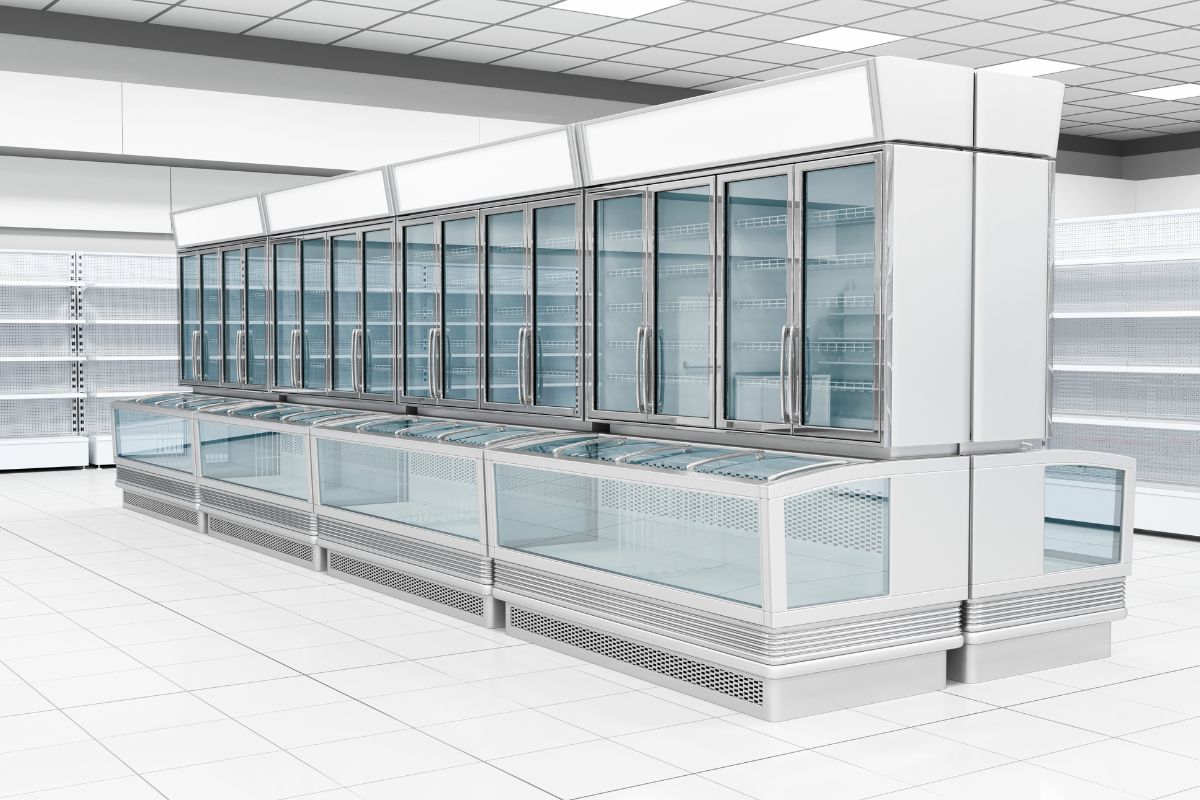
As your business grows, so do your storage needs. If your freezer is constantly overfilled or struggling to accommodate stock, it's time to upgrade.
Signs You Need a Larger Freezer:
- Employees frequently struggle to find or organise items.
- Your kitchen workflow slows down due to inadequate freezer space.
- Products are stacked too tightly, limiting airflow and cooling efficiency.
Upgrading to an appropriately sized freezer will enhance efficiency, reduce waste, and streamline food preparation processes.
Rising Maintenance Costs
At some point, the cost of frequent repairs outweighs the investment in a new unit. If you've had multiple service calls, quickly consider replacing your freezer.
- Compressor failure: A compressor replacement can be expensive and may not be a long-term solution.
- Refrigerant leaks: Older models often use outdated refrigerants that are costly to replace and may not be environmentally friendly.
- Electrical problems: Frequent issues with wiring or control boards indicate deeper system failures.
How to Choose the Right Freezer for Your Business
When selecting a replacement, consider:
- Size & Capacity: Match the freezer size to your inventory demands.
- Energy Efficiency Ratings: Choose models with high energy-star ratings.
- Durability & Warranty: Look for robust designs with reliable manufacturer support.
Future-Proof Your Business with the Right Freezer
An outdated commercial freezer can cost your business more than you realise. Knowing when to upgrade is essential, from skyrocketing energy bills and food waste to health code violations and inefficiency. Investing in a modern unit ensures reliability, reduces costs, and enhances food safety.
Browse the latest high-performance commercial freezers at Federal Hospitality Equipment to find the best solution for your business.