Setting up or upgrading a commercial kitchen can feel exciting — even urgent. Whether opening your first café, expanding your restaurant, or refreshing your catering setup, the rush to get things moving often leads to rushed decisions. And that's where things can start to go wrong.
Most people assume buying catering equipment is just about comparing features and choosing a brand. But what many find out too late is that some of the biggest mistakes happen before the equipment even arrives. Here's what no one tells you until the damage is done — and what you need to know before spending a dollar.
It's Not Just About the Brand — It's About the Fit
Some buyers focus too much on well-known names in the industry, assuming reputation guarantees suitability. However, the best commercial catering equipment isn't always the best choice for your space. A high-end unit won't serve you well if it doesn't physically fit, needs modifications, or clashes with the way your team works.
We've seen businesses stuck with oversized equipment that can't be installed without costly renovations — or worse, returns. Always check measurements, door clearances, and ventilation needs. Think about how the equipment fits into your kitchen's layout, not just how it looks on the spec sheet.
Warranties Don't Cover Downtime
A 2-year or 3-year warranty sounds reassuring — until something breaks and your kitchen stalls for days. Many buyers don't realise that while warranties cover repairs, they don't help with downtime, labour impact, or lost income.
Before you commit, ask:
- How long do repairs typically take?
- Are parts and service technicians available locally?
- Is there phone support or troubleshooting guidance available?
Don't just rely on the paperwork. Speak with your supplier about their real-world support, not just what's printed in the brochure.
Energy Efficiency Is Not a Luxury — It's Leverage
Energy bills for commercial kitchens can climb fast, especially if you're running older or inefficient appliances. Don't overlook the energy rating when comparing kitchen commercial equipment, even if the upfront price is tempting.
An appliance that uses less electricity or gas saves you money monthly. Over a year, that adds up. Choosing energy-efficient models also reduces wear on your systems and lowers your carbon footprint — something more clients are beginning to notice and value.
Compliance Is Your Responsibility, Not the Seller's
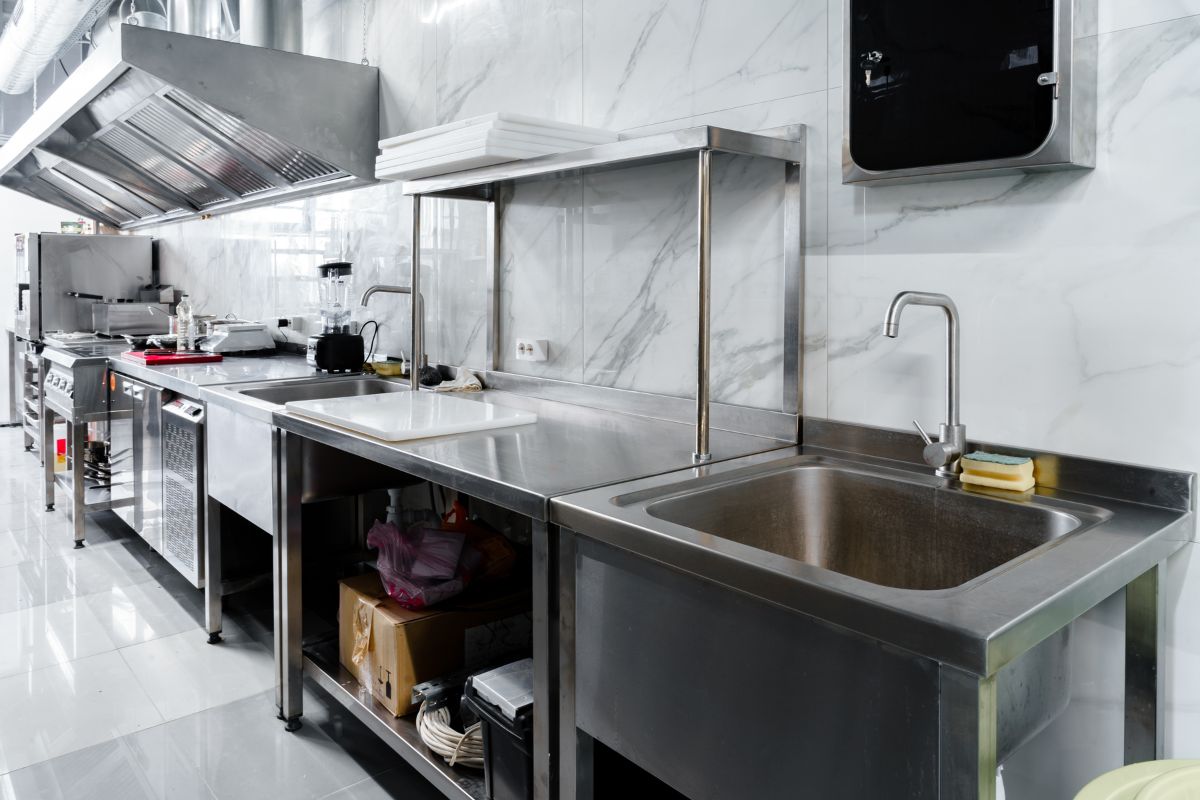
Many assume that a product must comply with Australian regulations if it is for sale. That's not always the case. The supplier may not know your local council's specific ventilation, fire safety, or drainage rules.
Before buying, ensure the equipment you're considering meets the compliance standards in your state or territory. That includes clearance from walls, fire suppression compatibility, and power connection requirements. Don't assume your installer will sort it out later — penalties and retrofitting costs can be steep.
Pre-Owned Equipment: Smart or Risky?
Buying second-hand equipment is a smart way to save. In some cases, it is, especially for items like stainless steel benches, shelving, or sinks. However, there are risks for machinery with moving parts (like ovens, dishwashers, or fridges).
Ask for service history, use hours, and condition of key components. Avoid buying anything that hasn't been tested under power or doesn't come with at least a short-term warranty. Paying more for reliable commercial kitchen equipment saves money in the long run.
Workflow Is King — Equipment Should Serve It
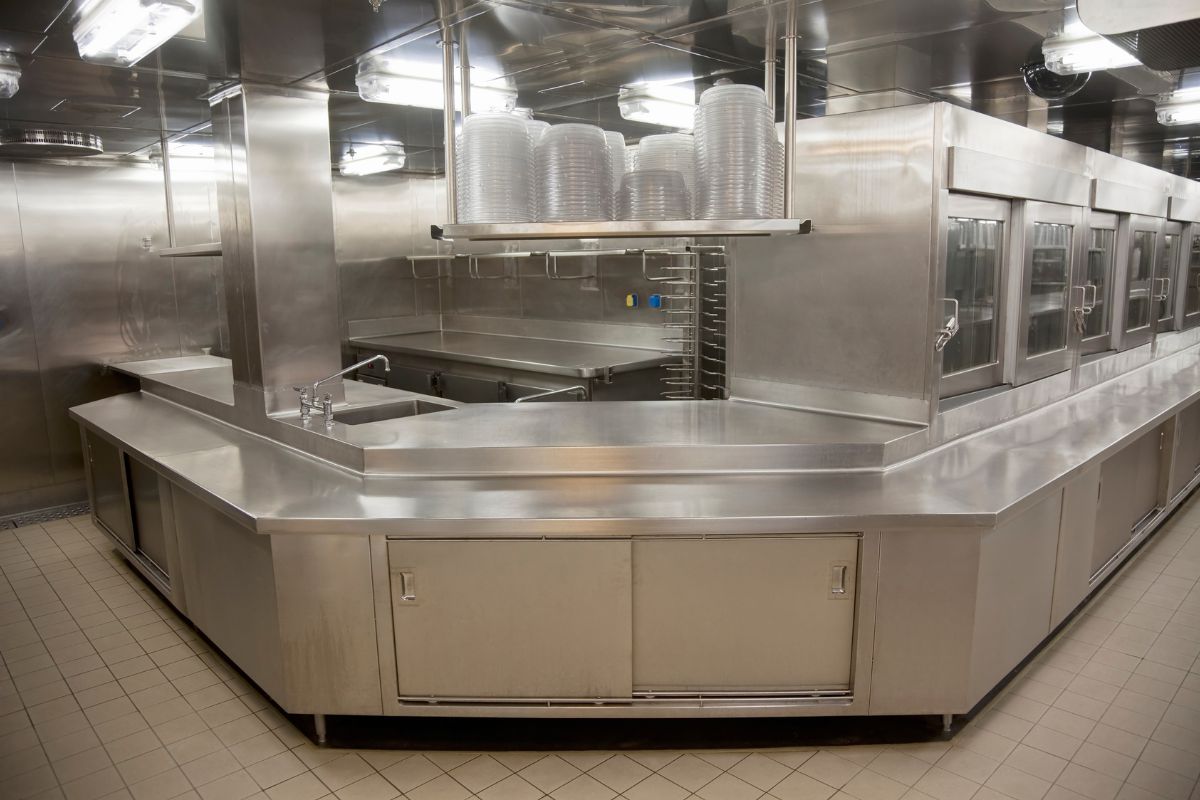
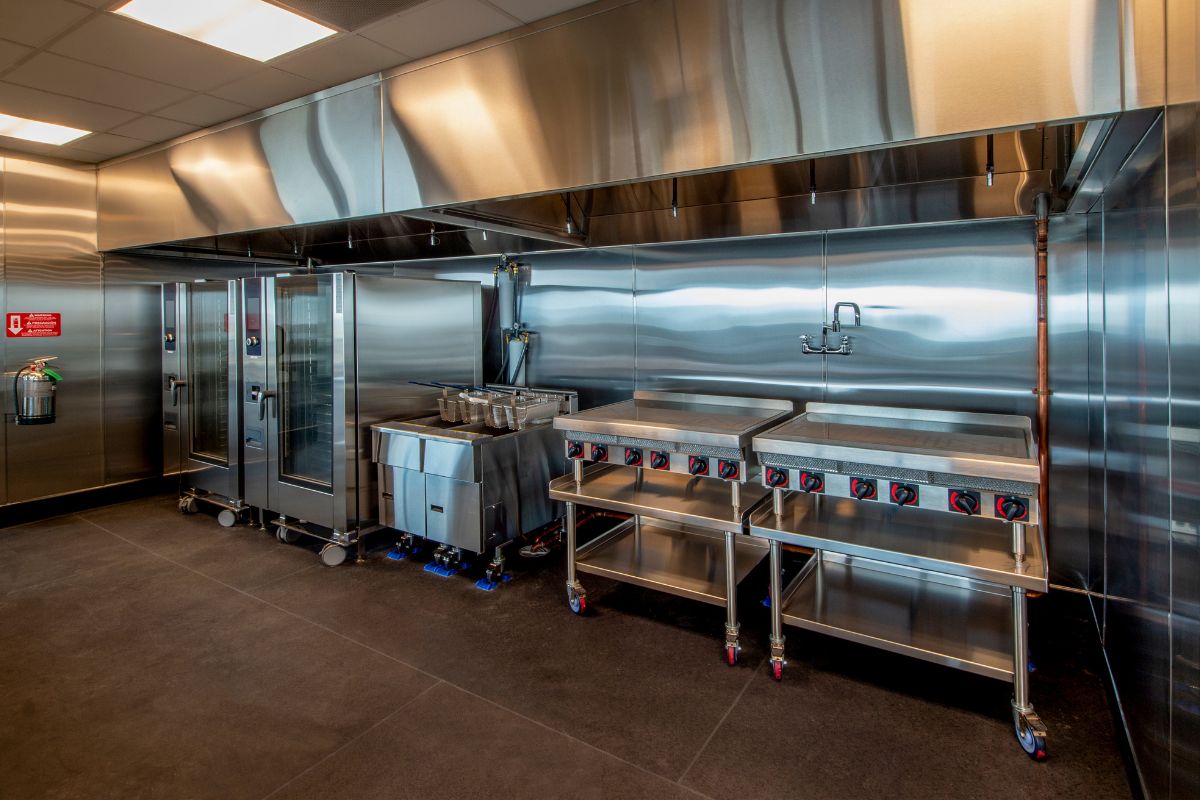
Your kitchen's flow is everything. Even if the equipment is top quality, it becomes a problem if it's in the wrong place or slows your team down. Placement, access, and spacing all affect efficiency and safety.
Before you buy anything:
- Map out how orders move from prep to cook to plate.
- Check the bench space around hot equipment.
- Ensure you have a clear line between raw and cooked zones.
Good equipment supports your team. It shouldn't force them to work around it.
The Hidden Costs of 'Cheap'
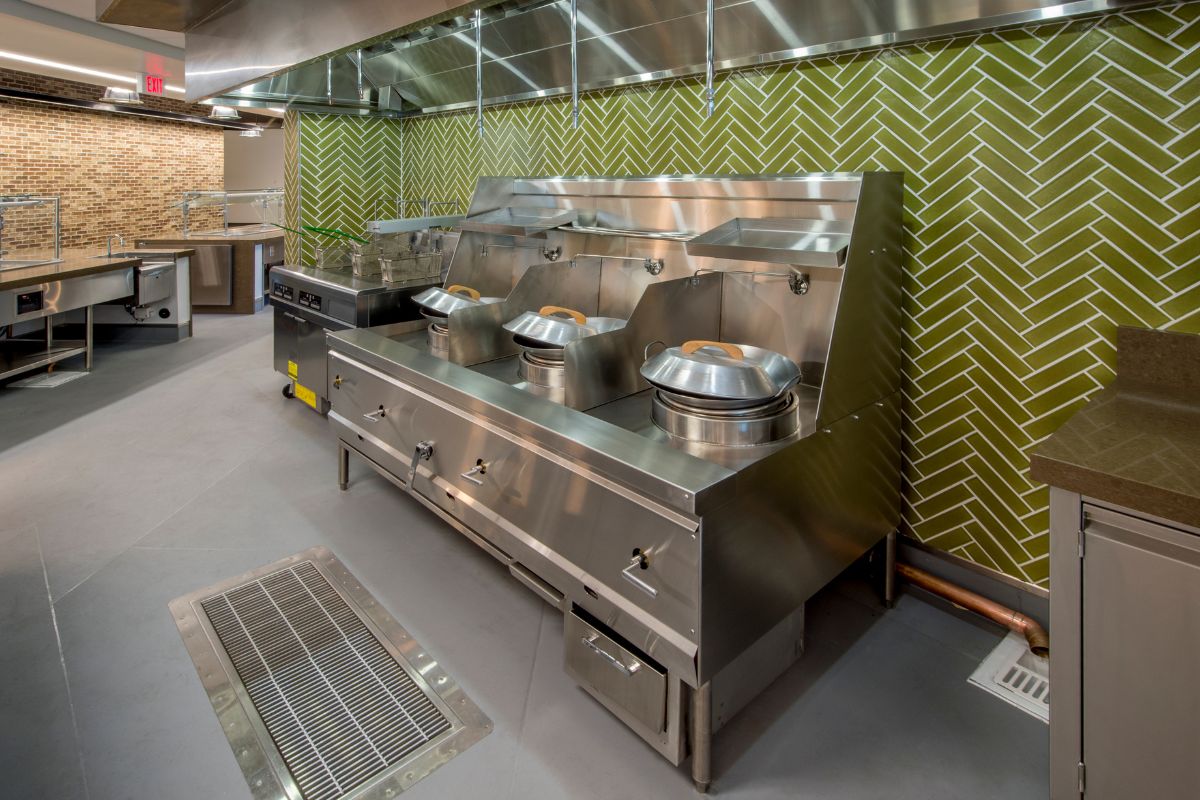
Going for the cheapest option is tempting, especially if you're working on a tight budget. However, more affordable units often come with thin stainless steel, weak insulation, or lower-quality components. That means more breakdowns, poor performance, and a shorter lifespan.
When comparing prices, consider:
- Expected daily usage
- Replacement part costs
- Resale or trade-in value
Paying a bit more upfront often avoids expensive surprises down the track.
Get It Right the First Time
Buying commercial catering equipment isn't just a purchase — it's a long-term decision. What looks like a bargain today can cost thousands if it doesn't fit, breaks down often, or holds back your team.
As buyers, we need to look beyond price tags and brand names. Plan carefully, ask the right questions, and choose equipment that suits your kitchen, not just the catalogue.
At Federal Hospitality Equipment, we help food businesses get it right from the start. We stock a wide range of durable, high-performance commercial kitchen equipment that meets Australian standards, with practical advice to match. Visit us to explore our full range and speak with someone who understands the industry.