
Running a successful foodservice business in today’s competitive environment requires more than just great recipes and talented chefs. Behind every plate served is a network of equipment that keeps the kitchen running smoothly. From ovens and fryers to refrigeration units and pan-fried machines, these tools are the backbone of operations. But they also represent significant capital investments.
The question every operator faces is: How do you maximise the return on investment (ROI) from commercial kitchen equipment?
This comprehensive guide explores strategies to ensure your product delivers maximum value, reduces costs, and supports long-term growth.
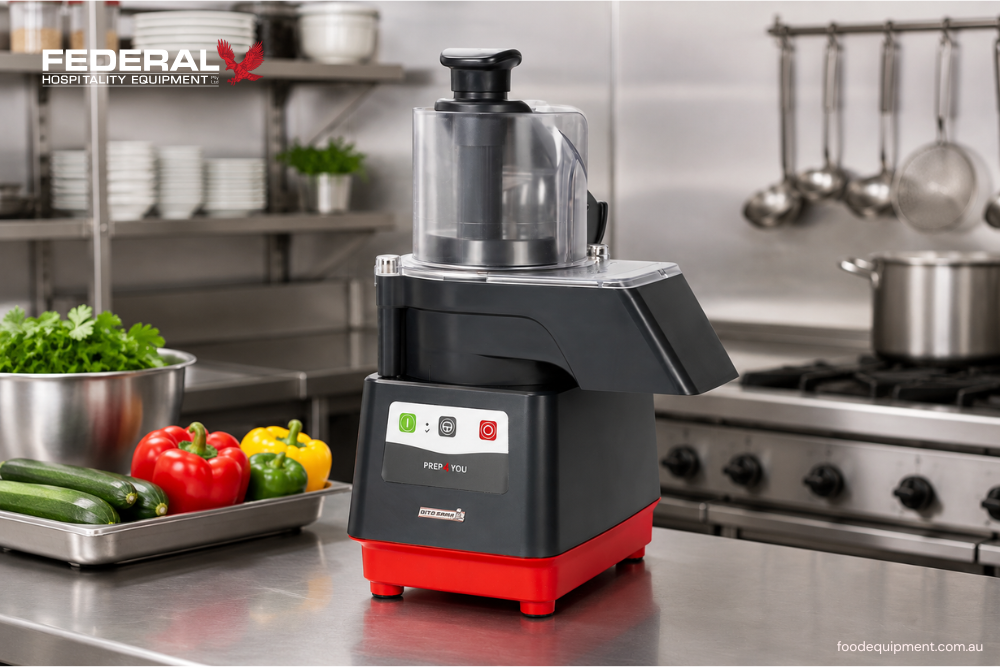
Designed to handle large volumes and tough ingredients, these products provide powerful blending performance. Check out our Commercial Stick Blenders collection now.
Why ROI Matters in Commercial Kitchens?
Commercial kitchens are high-cost environments. Equipment purchases can run into tens of thousands of dollars, and ongoing maintenance adds to the expense. Yet, when managed strategically, these investments can strengthen margins rather than drain them.
ROI in this context isn’t just about financial returns—it’s about:
- Operational efficiency (faster service, reduced downtime)
- Consistency in quality (every dish meets customer expectations)
- Longevity of appliance (delaying replacement costs)
- Energy savings (lower utility bills)
- Staff productivity (less training, fewer errors)
- Smart Purchasing Decisions
- Buy for Needs, Not Trends
It’s tempting to invest in the latest gadget, but ROI comes from equipment that aligns with your menu and customer demand. For example, if dumplings are a staple, a pan-fried dumpling machine offers better ROI than a niche appliance.
- Consider Scalability
Select commercial catering equipment that can grow with your business. A commercial speed oven may cost more upfront, but it saves money in the long run by handling higher volumes.
- Evaluate Energy Efficiency
Energy-efficient ovens, fryers, and refrigeration units reduce utility bills. Over time, these savings significantly boost ROI.
- Proper Maintenance and Care
- Preventive Maintenance
Regular servicing extends the lifespan of the product and prevents costly breakdowns. A well-maintained fryer or oven can last years longer than neglected units.
- Cleaning Protocols
Daily cleaning ensures hygiene and prevents buildup that can damage equipment. Non-stick surfaces and removable parts make this easier.
- Spare Parts Availability
Choose suppliers who provide easy access to spare parts. Quick fixes reduce downtime and keep kitchens operational.
- Staff Training and Usage
- User-Friendly Controls
Offerings with intuitive interfaces reduce training time and errors. Staff can operate confidently, improving productivity.
- Standard Operating Procedures (SOPs)
Documented SOPs ensure consistent use, reducing misuse that shortens product lifespan. For further information, visit the top commercial kitchen equipment dealers and distributors in Sydney and Melbourne.
- Cross-Training
Train multiple staff members to operate key appliances. This step prevents bottlenecks when one operator is unavailable.
- LeveragingTechnology
- Smart Sensors
Modern equipment often includes sensors for temperature, oil levels, or cooking times. These features improve precision and reduce waste.
- IoT Integration
Connected kitchens allow managers to monitor performance remotely, identify inefficiencies, and schedule maintenance proactively.
- Data-Driven Decisions
Track usage patterns to identify underutilised offerings. This method helps decide whether to repurpose, upgrade, or replace.
- Energy Efficiency and Sustainability
- Lower Utility Costs
Energy-efficient equipment reduces electricity and gas bills. Over time, these savings compound into significant ROI.
- Appeal to Eco-Conscious Customers
Sustainable practices resonate with modern diners. Marketing your eco-friendly kitchen can attract new customers.
- Government Incentives
In some regions, energy-efficient commercial kitchen equipment for sale qualifies for rebates or tax benefits, further boosting ROI.
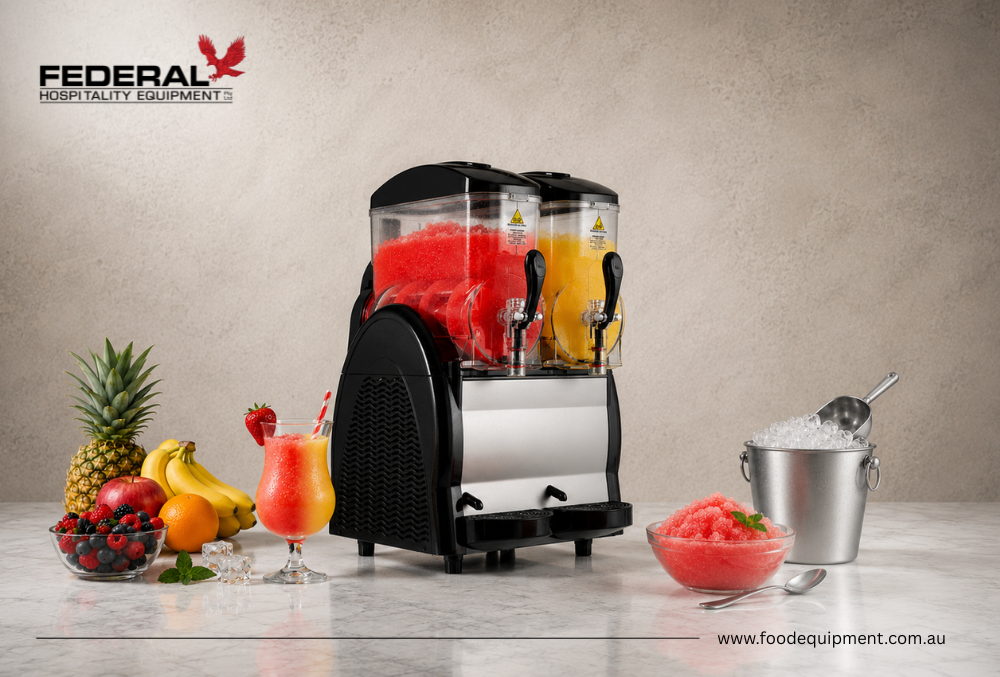
Get impulse purchases and higher sales with transparent doors and well-lit interiors that make it easy for customers to see the products. Check out our Display Freezers here.
- Menu Flexibility and Innovation
- Multi-UseAppliances
Invest in versatile tools like combi ovens or pan-fried machines that support multiple menu items. This step maximises usage and revenue potential.
- Seasonal Adaptability
Equipment that supports diverse menus lets you pivot quickly to seasonal trends or customer preferences.
- Experimentation
Reliable products give chefs confidence to innovate, leading to new dishes that drive sales.
- Financial Strategies
- Leasing vs. Buying
Leasing reduces upfront costs and allows upgrades without significant capital expenditure. However, buying may offer better long-term ROI if the appliance is durable.
- Financing Options
Explore supplier financing or bank loans with favourable terms. Spreading costs can ease cash flow pressures.
- Total Cost of Ownership (TCO)
Consider not just purchase price but maintenance, energy, and replacement costs. A slightly higher upfront investment may save money in the long term.
- Supplier Relationships
- Trusted Brands
Choose the best commercial kitchen equipment suppliers and manufacturers in Brisbane and Adelaide with proven track records. Benchstar, for example, is known for reliable pan-fried machines in Australia.
- After-Sales Support
Strong customer service ensures quick issue resolution, reducing downtime.
- Training and Installation
Suppliers who help train staff to maximise product usage from day one.
- Measuring ROI
- Track Key Metrics
Monitor output, energy consumption, downtime, and maintenance costs.
- Compare Against Benchmarks
Evaluate performance against industry standards to identify areas for improvement.
- Adjust Strategy
Use data to refine purchasing, maintenance, and usage strategies.
Some Additional Points
Lifecycle Cost Analysis
- Don’t just look at the purchase price—evaluate the total lifecycle cost (purchase, maintenance, energy, repairs, and eventual replacement).
- A slightly higher upfront investment in durable, energy-efficient products when you buy commercial kitchen equipment online often delivers better ROI over 5–10 years.
Product Utilisation Rates
- Monitor the usage frequency of each piece of equipment. Underutilised machines drain ROI.
- Consider repurposing or replacing low-use items with versatile, multi-function appliances.
Ergonomics and Staff Wellbeing
- Ergonomically designed equipment reduces staff fatigue and injuries.
- Happier, healthier staff are more productive, which indirectly boosts ROI.
Safety and Compliance
- Products that meet local safety and food compliance standards avoid fines and downtime.
- Investing in compliant gear protects your brand reputation and ensures uninterrupted operations.
Supplier Partnerships
- Build long-term relationships with suppliers who offer training, extended warranties, and service packages.
- Strong partnerships reduce downtime and ensure quick access to spare parts.
Modular and Upgradeable Equipment
- Choose appliances that you can upgrade or expand (e.g., modular refrigeration units).
- This flexibility extends the lifespan and adapts to changing business needs without requiring a full replacement.
Benchmarking Against Competitors
- Compare your commercial catering equipment performance with industry benchmarks.
- If competitors are achieving faster service or lower costs with newer technology, upgrading may deliver ROI through competitive advantage.
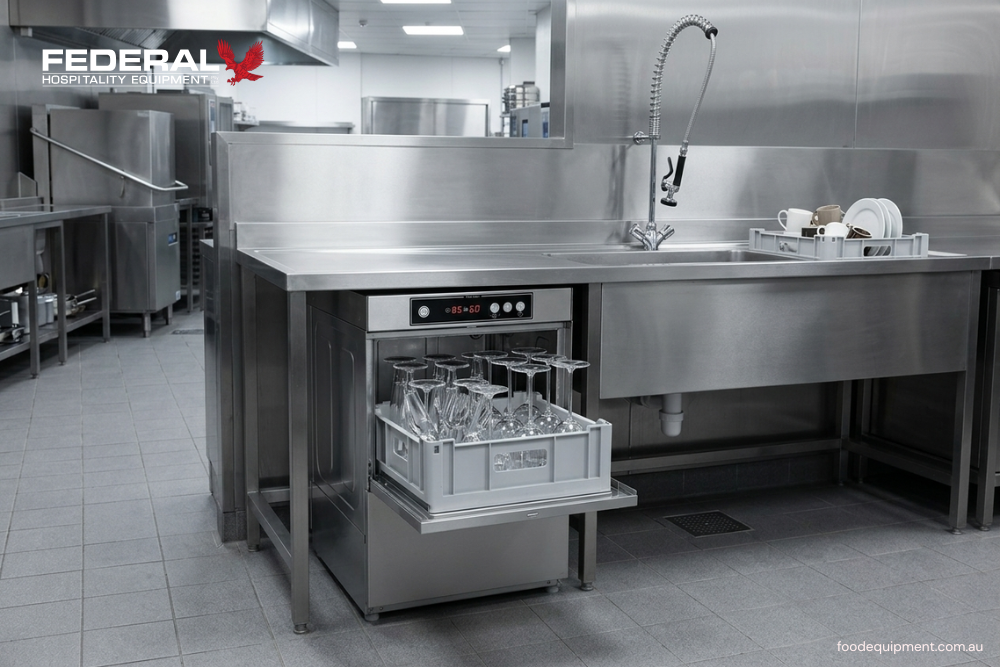
Clean large volumes of dishes quickly and effectively, washing and sanitising them in a fraction of the time it would take to do them manually. Check out our Commercial Dishwashers.
Tax Benefits and Depreciation
- In many regions, commercial kitchen equipment qualifies for accelerated depreciation or tax deductions.
- Work with accountants to maximise these benefits and improve ROI.
Waste Reduction
- Items that enable precise portion control or reduce food waste (e.g., combi ovens with steam control) save money daily.
- Less waste = higher margins.
Conclusion
Maximising ROI on commercial kitchen equipment isn’t about cutting corners—it’s about strategic investment, efficient usage, and proactive management. By focusing on energy efficiency, scalability, staff training, and supplier support, foodservice businesses can transform products from a cost centre into a profit driver.
In Australia and beyond, operators who embrace these strategies will not only save money but also deliver better customer experiences, strengthen their brand, and secure long-term success.