
The catering industry is undergoing an exciting transformation. Consumer demand for innovative food experiences and a growing focus on sustainability drive the evolution of the catering landscape, which translates to a surge in demand for new and sophisticated equipment solutions. However, navigating the ever-expanding market and making informed equipment purchases can be challenging for caterers of all experience levels.
This comprehensive guide will equip you with the knowledge and strategies to master your catering equipment purchases in 2024. We'll dive into advanced planning techniques, explore cutting-edge equipment trends, and provide a roadmap for optimising your catering workflow across every stage. Whether you're a seasoned professional or just starting, this guide will empower you to make confident equipment decisions that drive efficiency, profitability, and a competitive edge.
Catering Needs Assessment: A Data-Driven Approach
Gone are the days of relying solely on gut instinct when purchasing catering equipment. Today's successful caterers leverage data and industry trends to make informed decisions. Let's explore some key strategies:
- Industry Reports as Your Roadmap
Resources like industry reports and market research can provide valuable insights into current catering trends and consumer preferences. For example, a rise in demand for plant-based options might necessitate investing in high-performance blenders to create smooth vegan sauces and dressings.
- Menu Engineering for Peak Efficiency
Analyse your menu using an equipment-utilisation lens. Can you design dishes that minimise cook times and maximise batch sizes to optimise equipment usage? Consider techniques like pre-cooking certain elements or utilising equipment with multi-function capabilities.
- Data-Driven Inventory Management
Integrating inventory management software with catering operations can be a game-changer. Track equipment usage data to predict maintenance needs, identify underutilised equipment, and make data-driven purchasing decisions.
Optimising Your Catering Workflow
Your catering workflow relies on a well-equipped arsenal from food prep to presentation. Here's a breakdown of essential equipment at each stage:
- Preparation & Mise en Place
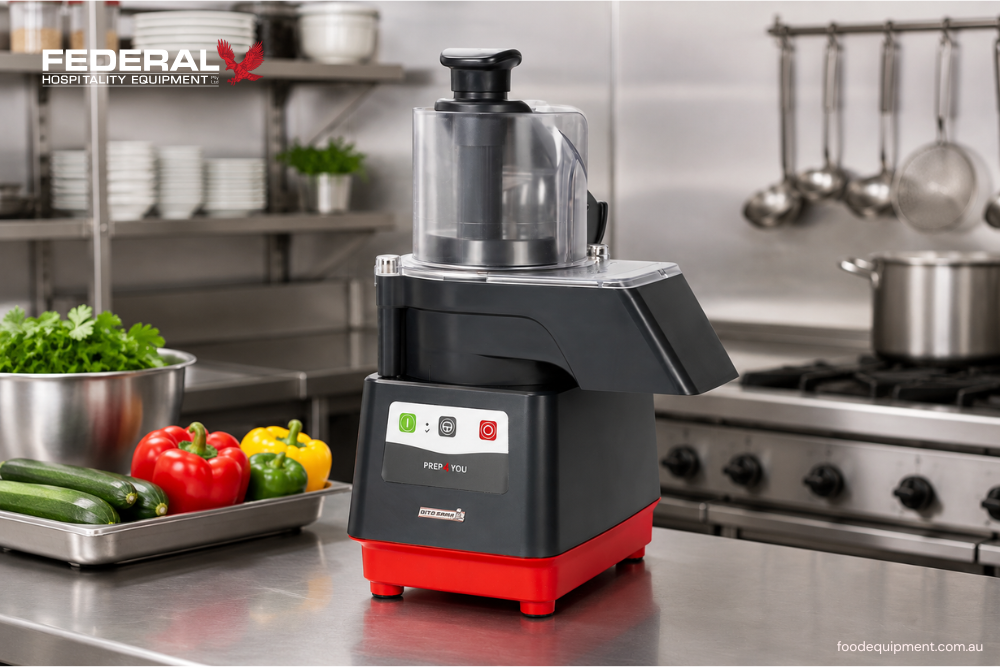
High-performance blenders can handle everything from pureeing vegetables for soups to creating smooth sauces. Food processors with various attachments can expedite tasks like chopping vegetables, shredding cheese, and kneading dough, freeing up valuable staff time.
- Cooking & Thermal Management
Sous vide immersion circulators allow for precise temperature control, producing perfectly cooked meats and vegetables with exceptional consistency. Advanced pressure cookers can significantly reduce cooking times while retaining moisture and flavour.
- Holding & Transportation
Hot-holding cabinets ensure your food stays at safe serving temperatures throughout an event. Blast chillers rapidly cool cooked items for secure storage and later use, minimising waste. Insulated food transport containers with temperature control capabilities guarantee food arrives at your venue fresh and delicious.
- Presentation & Service
Plate warmers keep dishes hot and inviting throughout the event. Mobile beverage stations add a touch of sophistication and enhance service efficiency at large gatherings.
Beyond the Essentials: Catering to Niche Markets
While the core equipment list above forms the foundation for most catering businesses, some caterers specialise in unique experiences. Let's explore how equipment choices can elevate your service in niche markets:
- Luxury Cocktail Bars
Consider investing in a nitrogen infusion system for high-end cocktail catering to create visually stunning and innovative cocktails. High-precision jiggers and cocktail shakers ensure consistent and perfectly balanced drinks. Present time is critical, so opt for elegant glassware and stylish bar displays.
- Live Cooking Stations
Interactive live cooking stations add a touch of theatre to your catering service. Depending on your menu, a teppanyaki grill for stir-frying or a flat-top grill for creating customised burgers and sandwiches could be perfect. Avoid portable ventilation hoods to manage smoke and ensure a comfortable environment.
- Pop-Up Restaurants
Creating a temporary restaurant experience requires focusing on mobile and adaptable equipment. Invest in portable induction cooktops for energy-efficient cooking and space-saving functionality. Folding prep tables and mobile shelving units maximise flexibility and allow you to set up a professional kitchen anywhere.
Making Informed Purchases
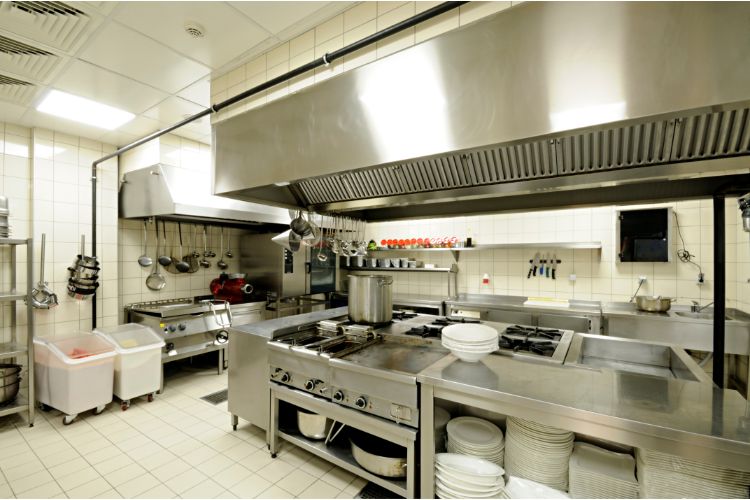
Purchasing catering equipment is a significant investment, and careful consideration is crucial. Here are key factors to keep in mind:
- Cost-Benefit Analysis: Don't be swayed by the latest gadgets. Conduct a thorough cost-benefit analysis for each equipment purchase. Consider factors like return on investment, the impact on operational efficiency, and potential cost savings through reduced labour or waste.
- Financing & Leasing Options: Explore financing options or leasing for high-value equipment to spread out the cost and free up working capital. Remember to factor in interest rates and leasing fees when making your decision.
- Total Cost of Ownership (TCO): Look beyond the initial purchase price. The Tot l Cost of Ownership (TCO) considers maintenance costs, energy consumption, and potential downtime during equipment repairs. Opt for equipment with readily available spare parts and reliable after-sales service from reputable vendors.
- Sustainability Assessment: Eco-conscious consumers appreciate businesses that prioritise sustainability. Consider energy-efficiency ratings, construction materials, and end-of-life disposal options when evaluating leading equipment options.
Equipment Maintenance & Upkeep Strategies
The best equipment is only valid if adequately maintained. Here's how to ensure your catering equipment operates at peak performance for years to come:
- Develop a Preventative Maintenance Plan: Establish a routine for regular equipment cleaning, calibration, and preventative maintenance. This can involve replacing filters, greasing bearings, and scheduling professional servicing for complex equipment.
- Invest in Staff Training: Empower your staff with the knowledge and skills to properly operate and maintain your equipment. Training should cover proper cleaning procedures, identify potential issues, and follow safety protocols.
- Partnering with Reliable Vendors: Building solid relationships with reputable catering equipment vendors is invaluable. Look for vendors who offer ongoing support, maintenance services, and access to spare parts when needed.
Building a Future-Proof Catering Business
By adopting a data-driven approach, embracing cutting-edge equipment trends, and focusing on long-term value through proper maintenance, you can make informed equipment purchases that propel your catering business towards success. Remember, the catering landscape constantly evolves, so stay informed about industry trends and emerging technologies. The strategies outlined in this guide will empower you to make confident equipment decisions that contribute to a future-proof catering business, ensuring you stay ahead of the curve and deliver exceptional client experiences.
Ready to take action and equip your catering business for success? We understand the importance of having the right tools for the job. Explore our extensive selection of high-quality catering equipment, from essential kitchen workhorses to innovative solutions for specialised catering niches. Visit our website to find the perfect equipment to elevate your catering operations.